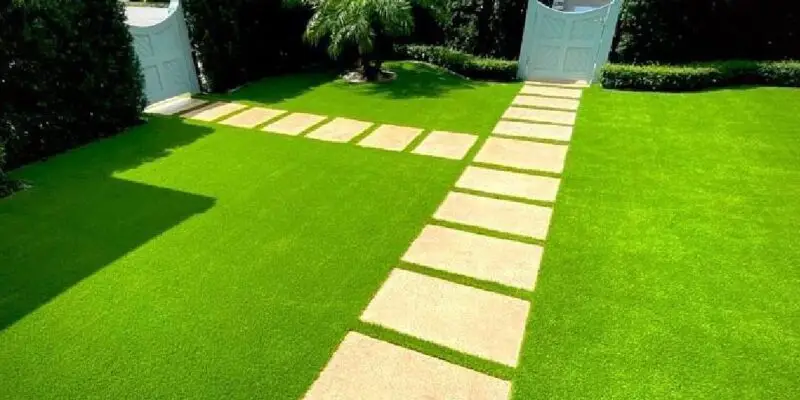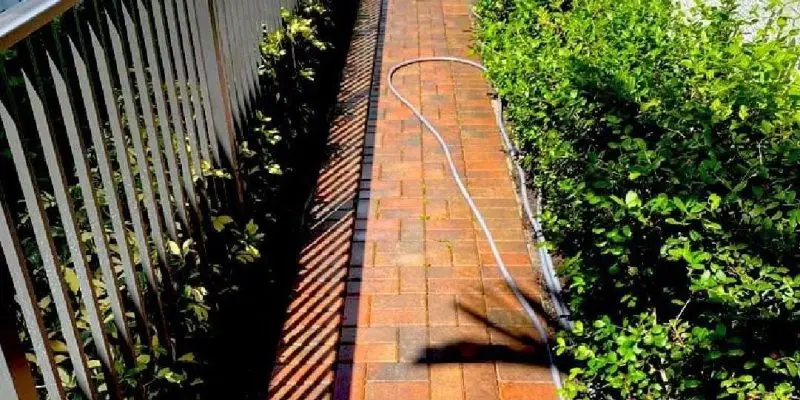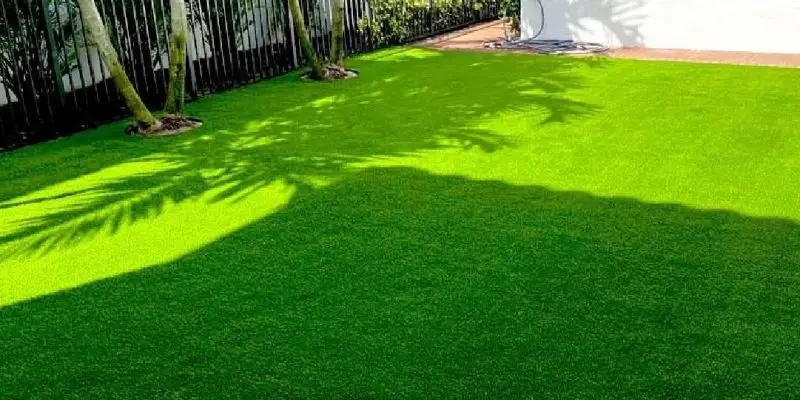
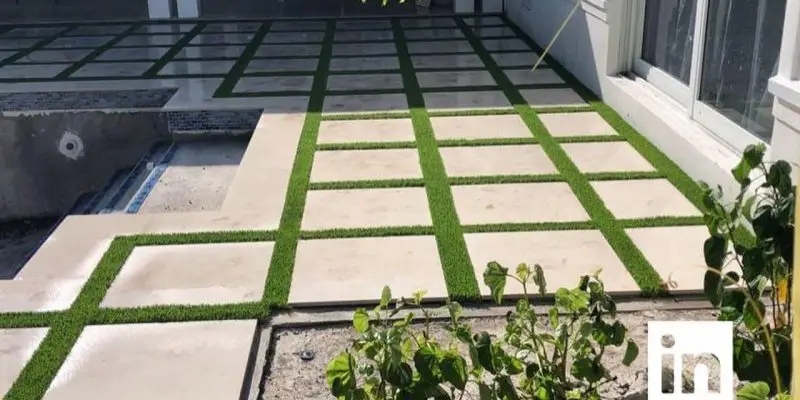
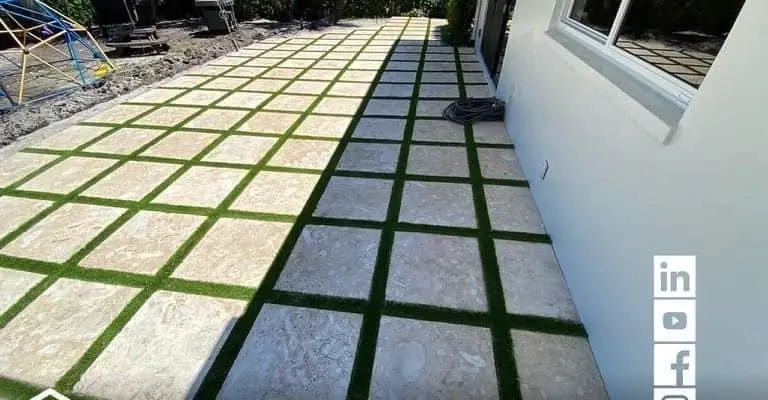
Artificial grass installation with concrete pavers forming a geometric pattern, showcasing a landscaped patio area at LA Turf & Paver.

Pavers for Driveway Near Me: A Guide to Enhancing Your Home’s Entrance

Searching for “pavers for driveway near me” is the first step toward transforming the entrance of your home into a beautiful, durable, and functional space. Driveway pavers not only enhance the curb appeal of your property but also offer a long-lasting solution to the wear and tear that driveways typically endure. This blog explores the benefits of choosing pavers for your driveway, the types of pavers available, and tips for selecting the right provider near you.

Why Choose Pavers for Your Driveway?

Durability and Longevity

Pavers are known for their durability and can withstand heavy vehicles without cracking, something that can’t always be said for traditional concrete or asphalt driveways. They are also resistant to weather changes, ensuring a long lifespan for your driveway.

Aesthetic Appeal

With a variety of colors, textures, and patterns available, pavers allow homeowners to customize their driveways to complement the architectural style of their homes and the surrounding landscape, significantly boosting curb appeal.

Easy Maintenance and Repair

Pavers are low maintenance. In the event of damage, individual pavers can be replaced without having to redo the entire driveway, making repairs simple and cost-effective.

Types of Driveway Pavers

When searching for “pavers for driveway near me,” you’ll come across several types of pavers, each offering distinct benefits:

  • Concrete Pavers: Versatile and often more affordable, concrete pavers come in various colors and shapes.
  • Brick Pavers: Offering a classic look, brick pavers are known for their strength and rich color that can last for decades.
  • Natural Stone Pavers: Though typically more expensive, natural stone pavers, such as granite, limestone, or travertine, provide a unique and elegant appearance.

Selecting the Right Pavers Provider

Local Experience

Choose a provider with experience in your area who understands local weather conditions and soil types, ensuring your driveway pavers are installed correctly and built to last.

Portfolio and References

Reviewing a provider’s portfolio and asking for references can give you insight into their craftsmanship and the satisfaction of their previous clients.

Quality and Warranty

Ensure the pavers offered are of high quality and come with a warranty, providing peace of mind that your investment is protected.

Comprehensive Service

Opt for a provider that offers a full range of services, from design consultation to installation and maintenance, to streamline the process and ensure a cohesive final product.

Conclusion

Investing in “pavers for driveway near me” not only enhances the entrance of your home aesthetically but also offers a durable, low-maintenance solution that can improve the value of your property. By considering the type of pavers that best suit your home’s style and choosing the right local provider, you can ensure a successful driveway transformation that will be admired for years to come. Start your search today and take the first step toward creating a driveway that is as functional as it is beautiful.
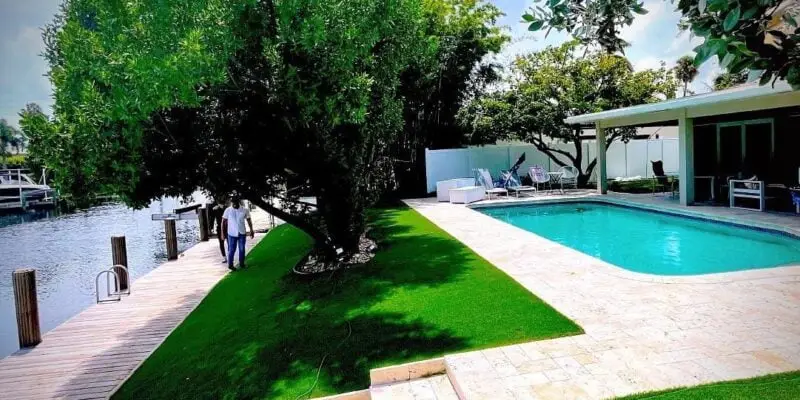
Lush synthetic grass lawn surrounding a pool area, featuring a tree and wooden dock, illustrating a low-maintenance landscape design for outdoor spaces.

Synthetic Grass Cost: Investing in a Greener Future

In today’s landscaping world, synthetic grass stands out as a popular choice for homeowners and businesses seeking a low-maintenance, environmentally friendly alternative to natural lawns. However, the initial cost can be a significant consideration for many. This blog explores the factors affecting synthetic grass cost, its long-term benefits, and why it might be the smartest investment you make for your outdoor space.

Understanding Synthetic Grass Cost

Factors Influencing Price

  1. Quality of Turf: Higher-quality synthetic grass, which often looks and feels more like natural grass, typically comes at a higher price due to the superior materials and technology used in its manufacture.
  2. Type of Turf: The intended use (landscaping, pets, sports) affects the type of synthetic grass needed, influencing the overall cost. For example, pet-friendly turf usually requires specific features like enhanced drainage.
  3. Size of the Area: Larger areas require more material and, consequently, the cost increases. However, buying in bulk may reduce the price per square foot.
  4. Preparation and Installation: Costs can vary significantly based on the current state of the area where the synthetic grass will be installed. Removing existing lawn, leveling the ground, and installing proper drainage systems are often necessary steps that add to the initial investment.

Long-Term Savings and Benefits

Despite the upfront cost, synthetic grass offers considerable long-term savings:

  • Water Conservation: Synthetic grass requires no watering, significantly reducing water bills and conserving vital resources.
  • Maintenance Savings: Eliminate the cost of lawn care, including mowing, fertilizing, and reseeding.
  • Durability: High-quality synthetic grass can last 15-20 years, making it a cost-effective solution over time.

Making the Investment Worthwhile

When considering synthetic grass, it’s crucial to look beyond the initial cost and focus on the value it adds to your property:

  • Aesthetic Appeal: Synthetic grass provides a lush, green lawn year-round, enhancing your property’s appearance and curb appeal.
  • Environmental Impact: By reducing water usage and eliminating the need for chemical fertilizers and pesticides, synthetic grass contributes to a healthier environment.
  • Increased Usability:Synthetic grass creates a durable, mud-free outdoor space that can be enjoyed in all weather conditions.

Conclusion

The cost of synthetic grass is influenced by various factors, including the quality and type of turf, the size of the installation area, and preparation and installation requirements. While the initial investment might seem high, the long-term savings on water, maintenance, and the durability of synthetic grass make it a financially savvy choice for many. Beyond the numbers, synthetic grass offers aesthetic beauty, environmental benefits, and increased usability of your outdoor spaces, making it a worthwhile investment for a greener future.

Considering synthetic grass cost is just the beginning. By understanding the full spectrum of benefits it offers, homeowners and businesses can make an informed decision, investing not just in their property’s present appearance but in its sustainability and functionality for years to come.

Paver walkway design featuring stone tiles and artificial grass accents, enhancing outdoor aesthetics and functionality.

Elevating Outdoor Aesthetics: The Charm of Walkways with Pavers

Creating a captivating outdoor space involves more than just selecting the right plants or outdoor furniture; it’s about designing a journey through your garden or yard. One of the most impactful ways to enhance this journey is by incorporating walkways with pavers into your landscape design. This blog delves into the timeless appeal of paver walkways, the variety of materials available, and the benefits they bring to any outdoor setting.

The Enduring Appeal of Walkways with Pavers

Walkways with pavers not only provide a practical pathway through your outdoor spaces but also add a layer of elegance and structure to your garden or yard. Unlike plain, poured concrete paths, paver walkways offer a range of textures, colors, and patterns, allowing for customization that complements your home’s exterior and landscape design.

Variety of Materials

When it comes to choosing pavers for your walkway, the options are vast, each offering its own unique aesthetic and benefits:

  • Concrete Pavers: Durable and versatile, concrete pavers come in various colors and shapes, suitable for any design aesthetic from modern to traditional.
  • Brick Pavers: Offering a classic, timeless look, brick pavers bring warmth and character to your walkways, aging beautifully over time.
  • Natural Stone Pavers: From slate to limestone, natural stone pavers provide an unparalleled natural beauty that blends seamlessly with outdoor environments.
  • Porcelain Pavers: Low maintenance and highly durable, porcelain pavers offer a modern, sleek look with a variety of designs that mimic natural stone or wood.

Benefits of Paver Walkways

Durability and Longevity

Pavers are designed to withstand the elements, from freezing temperatures to scorching sun, without cracking or fading over time. Their interlocking design also allows for slight movement, preventing the cracks common in concrete paths.

Low Maintenance

Walkways with pavers require minimal upkeep. Regular sweeping and occasional rinsing are typically all that’s needed to keep them looking their best. Should a paver become damaged, it can easily be replaced without having to redo the entire pathway.

Increased Property Value

The aesthetic appeal and functionality of paver walkways can significantly boost your property’s curb appeal, potentially increasing its overall value. They are a worthwhile investment that pays dividends in both beauty and functionality.

Eco-Friendly Options

Permeable pavers are available for environmentally conscious homeowners. These pavers allow water to percolate through the surface and into the ground below, reducing runoff and promoting natural water irrigation.

Designing Your Walkway

When planning your paver walkway, consider the flow of your outdoor space, the style of your home, and how the walkway will be used. A winding path can create a leisurely journey through your garden, while a straight, wide walkway might better suit a more formal or high-traffic area. Regardless of the design, ensuring proper installation—including a stable base and appropriate edging—is crucial for the longevity and appearance of your walkway.

Conclusion

Walkways with pavers are a beautiful and practical addition to any outdoor space, offering durability, low maintenance, and a wide range of design possibilities. By selecting the right materials and ensuring proper installation, you can create an inviting path that enhances your home’s outdoor aesthetics and functionality for years to come. Whether you’re redesigning your garden or simply looking to upgrade your current path, paver walkways offer a timeless solution that blends beauty with practicality.

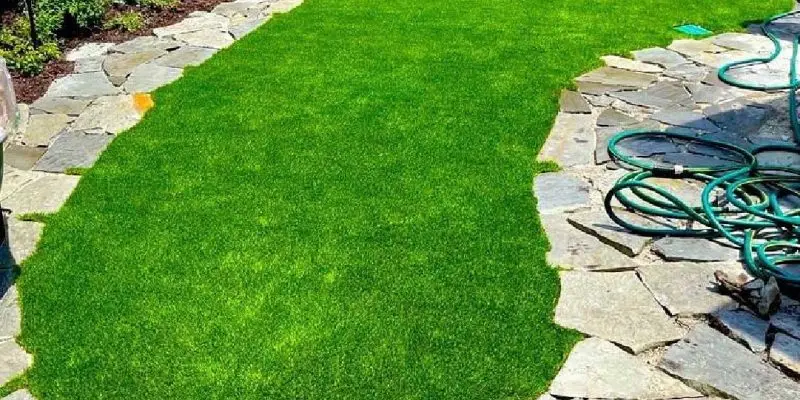
Artificial grass installation adjacent to stone pavers, showcasing vibrant green turf in a landscaped setting, relevant to landscaping options and artificial turf benefits.

Artificial Turf Cost: An Investment in Long-Term Savings and Aesthetics

When considering landscaping options, artificial turf emerges as a popular choice for homeowners and businesses alike, thanks to its low maintenance, year-round greenery, and environmental benefits. However, one of the first questions that come to mind is, “How much does artificial turf cost?” In this blog, we’ll explore the factors that influence the price of artificial turf, the long-term savings compared to natural grass, and why it’s an investment worth considering.

Factors Affecting Artificial Turf Cost

Quality and Type of Turf

The cost of artificial turf varies significantly depending on its quality, material, and intended use (e.g., residential lawns, sports fields, pet areas). Higher-quality turf with a more natural look and feel tends to be more expensive but offers greater durability and a longer lifespan.

Size of the Area

Naturally, the larger the area to be covered, the higher the overall cost. However, purchasing in bulk for a big project can sometimes reduce the price per square foot.

Underlying Surface Preparation. Artificial Turf Cost

The condition of the existing surface plays a crucial role in the installation cost. Removing existing grass, leveling the ground, and preparing the base layer for drainage can add to the overall expense.

Installation Costs

Professional installation ensures that your artificial turf is laid correctly, with proper drainage and securing. DIY installation might save money upfront but could lead to higher costs if not done correctly.

Long-Term Savings of Artificial Turf Cost.

While the initial installation of artificial turf might seem steep, it’s important to consider the long-term savings:

  • No Watering: Unlike natural grass, artificial turf doesn’t require watering, significantly reducing your water bill.
  • Minimal Maintenance: Say goodbye to mowing, fertilizing, and reseeding. Occasional rinsing and brushing are all it takes to keep artificial turf looking fresh.
  • Durability: High-quality artificial turf can last 15-25 years, depending on use, offering a long-term landscaping solution without the recurring costs associated with natural grass maintenance.

Environmental Benefits

Beyond cost savings, artificial turf contributes to water conservation and reduces the use of harmful pesticides and fertilizers. It also eliminates the carbon emissions associated with lawn maintenance equipment.

Conclusion

The cost of artificial turf is influenced by various factors, including quality, size, and installation requirements. While the initial investment might be higher than natural grass, the long-term savings on water and maintenance, coupled with its environmental benefits, make artificial turf a cost-effective and attractive option for many. By choosing the right type of turf and considering professional installation, you can enjoy a beautiful, green space for years to come without the ongoing costs and labor of traditional lawn care.

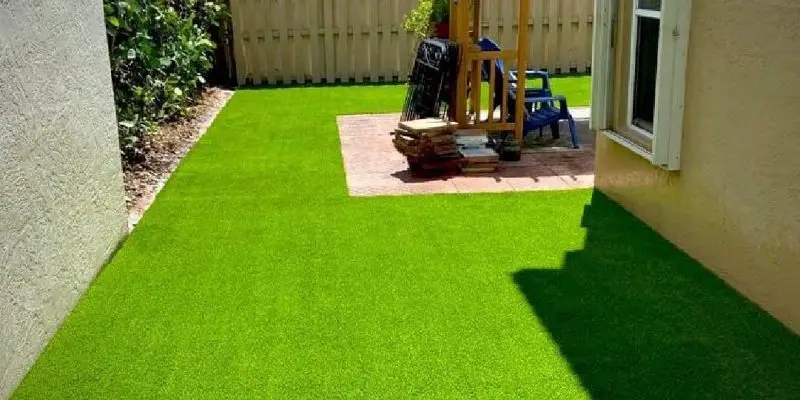
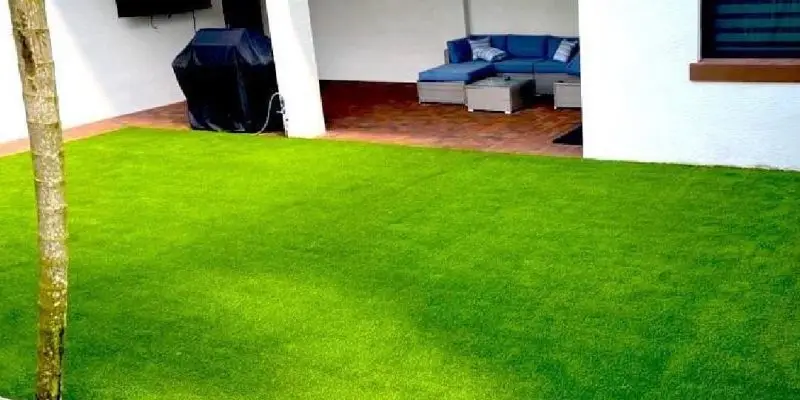
Artificial grass lawn with vibrant green turf, bordered by a patio area featuring stacked pavers and outdoor furniture, enhancing backyard aesthetics and functionality.

Pavers Backyard: Transforming Your Outdoor Space into a Haven

Creating a haven in your backyard is about blending aesthetics with functionality, and pavers backyard projects do just that. These versatile and durable materials not only enhance the beauty of your outdoor space but also provide a sturdy, low-maintenance surface ideal for various landscaping designs. Whether you’re envisioning a cozy patio, a winding pathway, or an elegant outdoor dining area, pavers can bring your dream backyard to life.

Why Choose Pavers for Your Backyard?

Durability and Longevity: Pavers are known for their strength and durability. They can withstand heavy traffic, extreme weather conditions, and even ground movements, ensuring your backyard remains beautiful and functional for years.

Versatility in Design: With a wide range of colors, shapes, sizes, and textures, pavers offer endless design possibilities. You can mix and match to create unique patterns, complement your home’s architectural style, or mimic natural stone for a more rustic look.

Low Maintenance: Pavers require minimal upkeep compared to other backyard solutions. Regular sweeping and occasional rinsing are usually enough to keep your pavers looking new. Plus, if a paver gets damaged, you can simply replace the individual piece without disturbing the rest of your design.

Eco-Friendly Options: Many paver options are environmentally friendly, allowing water to permeate through the surface and recharge groundwater supplies. Opting for permeable pavers can reduce runoff, prevent erosion, and support sustainable landscaping practices.

Design Ideas for Your Pavers Backyard Project

Patio Paradise: A paver patio is a perfect way to create a designated area for relaxation and entertainment. Add outdoor seating, a fire pit, or a water feature to turn your backyard into a personal retreat.

Pathways and Walkways: Use pavers to design pathways that lead to different areas of your garden, outdoor kitchen, or fire pit area. Not only do they enhance accessibility, but they also add charm and character to your outdoor space.

Outdoor Kitchen and Dining: For those who love to entertain, an outdoor kitchen and dining area paved with elegant pavers can elevate the al fresco dining experience. Choose pavers that complement your home’s exterior for a cohesive look.

Pool Surrounds: Pavers are an excellent choice for pool surrounds, offering a slip-resistant surface that is also gentle on feet. They can withstand chlorine exposure and frequent wet conditions, making them ideal for pool areas.

Garden Edging and Accents: Use pavers to edge garden beds or create a focal point in your backyard, such as a garden bench or a sculpture surrounded by a circular paver design.

Implementing Your Pavers Backyard Project

Planning and executing a pavers backyard project requires careful consideration. Start by defining the purpose of your outdoor space, considering factors like sun exposure, drainage, and how you plan to use the area. Hiring a professional landscaper or contractor experienced in working with pavers can ensure your project is completed efficiently and to your satisfaction.

In conclusion, incorporating pavers into your backyard design can transform your outdoor space into a functional and stylish haven. Whether you’re hosting summer barbecues, enjoying quiet evenings by the fire pit, or simply admiring your garden, a pavers backyard project can enhance your outdoor living experience in countless ways.

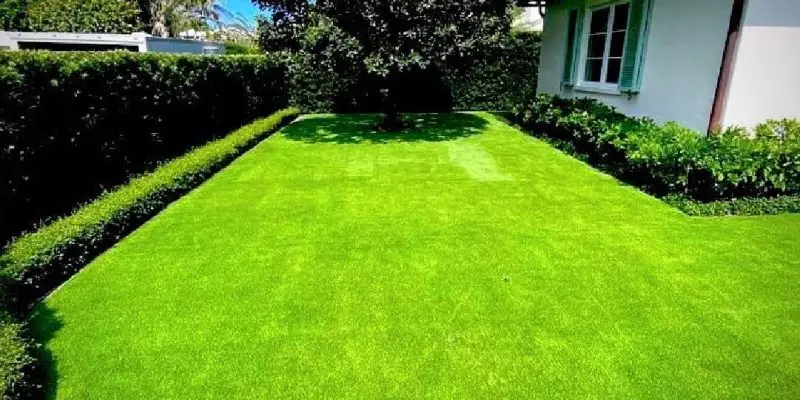
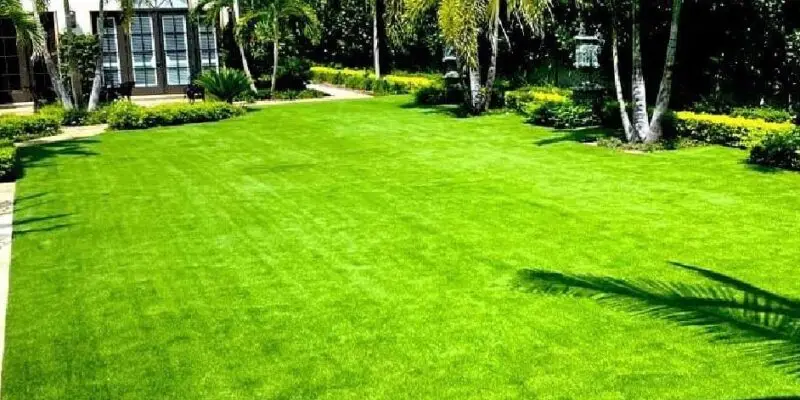
Lush, green synthetic grass lawn bordered by manicured hedges and trees, showcasing a low-maintenance outdoor space ideal for pet owners.

Synthetic Grass and Dogs: The Ultimate Guide for Pet Owners

For pet owners looking to create a safe, clean, and low-maintenance outdoor space for their furry friends, synthetic grass emerges as an excellent solution. Unlike natural lawns, synthetic grass offers durability, ease of maintenance, and year-round greenery without the mud, pests, or allergens. This guide delves into the benefits of synthetic grass and dogs, providing insights into why it’s becoming a popular choice among pet owners.

Benefits of Synthetic Grass for Dogs:

  1. Safety and Hygiene:
    • Non-toxic Materials: High-quality synthetic grass is made from non-toxic materials, ensuring it’s safe for pets.
    • Pest-Free Environment: Say goodbye to fleas, ticks, and other pests that thrive in natural grass.
    • Easy Clean-up: Urine drains through, and feces are easy to remove, keeping the area sanitary.
  2. Durability and Comfort:
    • Withstands Rough Play: Designed to endure rough play and digging, synthetic grass remains intact and lush.
    • Soft and Comfortable: The soft texture is gentle on paws, making it a comfortable surface for pets to play and rest on.
  3. Low Maintenance:
    • No Watering or Mowing: Synthetic grass requires no watering, mowing, or fertilizing, saving time and resources.
    • Weather Resistant: It remains green and functional regardless of weather conditions, from scorching summers to freezing winters.
  4. Aesthetics and Functionality:
    • Evergreen Lawn: Enjoy a beautiful, evergreen landscape that enhances your home’s curb appeal.
    • Customizable Spaces: Design a pet-friendly area with zones for play, relaxation, and potty breaks.

Choosing the Right Synthetic Grass for Your Dog:

When selecting synthetic grass, consider the following factors to ensure it meets the needs of your pet:

  • Pile Height: Opt for a shorter pile height for easier clean-up and maintenance.
  • Infill Material: Choose an infill that helps with odor control and provides additional cushioning.
  • Durability: Look for products specifically designed to withstand pet use.

Installation Tips:

Proper installation is key to maximizing the benefits of synthetic grass and dogs. Consider professional installation to ensure proper drainage and secure the turf against digging and pulling. Additionally, adding a border can help prevent your dog from digging at the edges of the turf.

Conclusion:

Synthetic grass and dogs are a match made in heaven for pet owners seeking a beautiful, low-maintenance, and pet-friendly yard. By choosing the right type of synthetic grass and ensuring proper installation, you can create a safe and enjoyable outdoor space for your furry family members. With the benefits of synthetic grass, both pets and their owners can enjoy a cleaner, greener, and more manageable lawn all year round.

FAQs:

  1. Is synthetic grass safe for all dogs? Yes, when sourced from reputable manufacturers, it’s made from non-toxic materials safe for pets.
  2. How do I clean synthetic grass? Rinse regularly with water, and use a mild detergent for any stains. Specialized products can also help neutralize odors.
  3. Can dogs dig through synthetic grass? While synthetic grass is durable, securing the edges and choosing a product designed for pet use can minimize digging.

By incorporating these elements and focusing on the unique benefits synthetic grass offers to dogs and their owners, this blog post caters directly to pet owners looking for practical, stylish, and pet-friendly landscaping options.

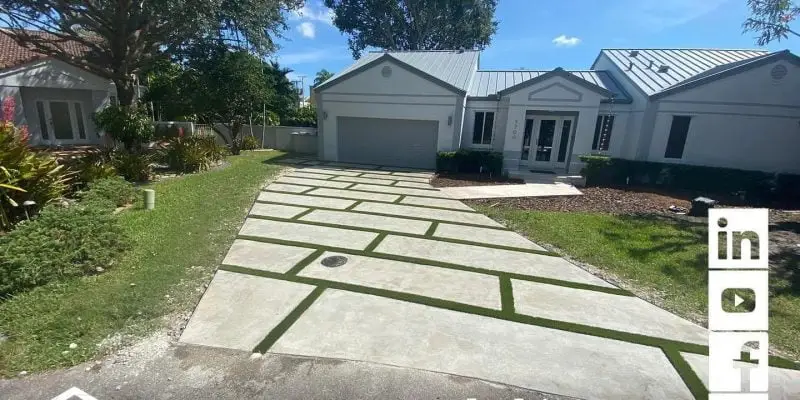
Modern driveway design with geometric concrete pavers and grass accents, enhancing curb appeal and functionality of a residential property.

Discovering Driveway Paving Near Me: A Guide to Enhancing Your Home’s Curb Appeal

When it comes to upgrading the exterior of your home, the search for “driveway paving near me” is the first step towards transforming your property’s curb appeal and functionality. A well-paved driveway not only improves the aesthetic appeal of your home but also increases its value. This blog dives into the importance of finding a reputable driveway paving service, the different materials available, and tips for choosing the right contractor for your project.

The Importance of Professional Driveway Paving

A driveway is more than just a path to your garage; it’s a crucial component of your home’s first impression. Professional driveway paving services ensure that this impression is both beautiful and lasting. These experts bring precision, quality materials, and years of experience to the table, guaranteeing that your driveway will withstand the test of time and weather.

Choosing the Right Material

The quest for the perfect “driveway paving near me” also involves selecting the right material. Each option offers distinct advantages in terms of durability, maintenance, and visual appeal:

  • Asphalt: Known for its durability and cost-effectiveness, asphalt is a popular choice for many homeowners.
  • Concrete: Offers versatility in design and color, concrete driveways can be customized to match your home’s aesthetic.
  • Pavers: Brick or stone pavers add a touch of elegance to your driveway, with a variety of patterns and styles available.
  • Gravel: An economical option, gravel driveways are easy to install and maintain, offering a rustic look.

Finding the Right Contractor

The search for “driveway paving near me” will yield many results, but finding the right contractor is key to ensuring the success of your project. Here are some tips to guide your selection:

  • Research: Look for online reviews and ask for recommendations from friends or family.
  • Experience: Choose a contractor with extensive experience in driveway paving, as they will be able to provide valuable advice on the best materials and designs for your home.
  • Portfolio: Ask to see a portfolio of their previous work to gauge their expertise and the quality of their workmanship.
  • Estimates: Obtain detailed estimates from multiple contractors to compare prices and understand what is included in their services.

Conclusion

The journey to find “driveway paving near me” is an opportunity to enhance your home’s curb appeal and functionality. By choosing the right material and contractor, you can ensure that your driveway paving project is a success, adding beauty and value to your property. Remember, a well-paved driveway is not just a path to your home but a reflection of your pride in your property. Start your search today and take the first step towards transforming your home’s exterior into something truly special.

Lush artificial grass lawn with stone pathway leading to a garden gate, ideal for pet-friendly outdoor spaces.

Fake Grass Dogs Love: The Perfect Solution for Pet Owners

For pet owners seeking a clean, safe, and low-maintenance outdoor solution, fake grass dogs love is becoming increasingly popular. This synthetic alternative to natural grass offers numerous advantages for both dogs and their owners, making it an ideal choice for backyards, dog runs, and play areas. This blog explores the benefits of fake grass for dogs, the different types available, and tips for choosing the right one for your furry friend.

Benefits of Fake Grass Dogs Appreciate

Health and Safety

Fake grass for dogs is designed with pet safety in mind. It eliminates the need for potentially harmful pesticides and fertilizers, reducing your dog’s exposure to toxic substances. Additionally, it provides a pest-free area, preventing annoyances from fleas and ticks.

Durability and Comfort

Dogs are playful creatures, but natural lawns can easily become worn and muddy. Fake grass dogs enjoy is built to withstand heavy use without showing signs of damage. It also offers efficient drainage, keeping the area dry and mud-free, which is something both pets and owners can appreciate.

Low Maintenance

One of the most significant advantages of fake grass dogs benefit from is its low maintenance. Unlike real grass, it doesn’t require watering, mowing, or chemical treatments, saving time and money. It’s a durable solution that stays green and inviting year-round, with minimal effort.

Types of Fake Grass Dogs

When it comes to fake grass, dogs and their owners have several options:

  • Polyethylene: Known for its softness and natural look, making it comfortable for pets.
  • Polypropylene: Offers great durability for dogs that are harder on their playing surfaces.
  • Nylon: The most durable option, capable of withstanding even the most energetic play.

Choosing the Right Fake Grass for Your Dog

Selecting the best fake grass for dogs involves considering several factors:

  • Pile Height: Shorter piles are easier to clean, while longer piles offer more softness.
  • Density: A denser grass provides more cushioning, ideal for active pets.
  • Infill: Opt for non-toxic, pet-friendly infill to aid in drainage and odor control.

Installation and Care

Installing fake grass for dogs typically involves ground preparation, laying a weed barrier, installing the grass, and adding infill. Maintenance is straightforward, with occasional rinsing needed to remove waste and brushing to keep the blades upright.

Conclusion

Fake grass dogs love is an excellent choice for pet owners looking for a practical and attractive outdoor solution. It supports the health of your pet while ensuring your outdoor space remains beautiful and easy to maintain. By choosing the right type of fake grass, you can provide a safe, enjoyable environment for your dog that will last for years. Whether combating muddy paws or aiming to reduce yard upkeep, fake grass for dogs offers a win-win solution for pets and their people.

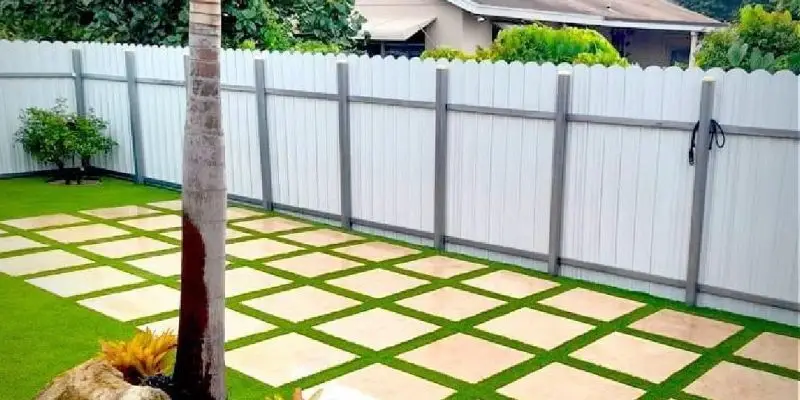
Patio area featuring rectangular stone pavers interspersed with lush artificial grass, bordered by a white picket fence and a palm tree, illustrating outdoor landscaping and contractor paver installation.

Navigating the World of Contractor Pavers: A Comprehensive Guide

In the realm of outdoor landscaping, the choice of pavers can dramatically transform the aesthetics and functionality of your space. Contractor pavers play a pivotal role in this transformation, providing durability, beauty, and versatility. This blog explores everything you need to know about selecting the right contractorpavers for your project, from understanding the different materials to the benefits they offer and tips for choosing the perfect contractor.

Understanding Contractor Pavers

Contractor pavers, often referred to as paving stones, are a popular choice for outdoor projects like driveways, walkways, patios, and pool decks. They come in a variety of materials, including concrete, brick, natural stone, and porcelain, each offering unique advantages.

Types of Pavers

  • Concrete Pavers: Versatile and cost-effective, concrete pavers come in various colors and shapes.
  • Brick Pavers: Known for their classic look, brick pavers offer a traditional aesthetic and long-lasting durability.
  • Natural Stone Pavers: With unique textures and colors, stone pavers like limestone, slate, and granite add elegance.
  • Porcelain Pavers: High-quality porcelain pavers provide a modern look with excellent durability and low maintenance.

Benefits of Choosing Contractor Pavers

Contractor pavers are preferred for several reasons:

  • Durability: Designed to withstand heavy traffic, weather conditions, and time.
  • Aesthetic Appeal: Available in various styles and colors to complement any design theme.
  • Low Maintenance: Easy to clean and maintain, with the ability to replace individual pavers if necessary.
  • Eco-Friendly Options: Permeable pavers allow water to filter through, reducing runoff and promoting groundwater recharge.

Tips for Choosing the Right Contractor

Selecting the right contractor is as crucial as choosing the pavers themselves. Here are some tips:

  • Experience and Expertise: Look for a contractor with a solid track record in paving projects similar to yours.
  • Portfolio and References: Ask for a portfolio of previous work and references to gauge their quality and reliability.
  • Licenses and Insurance: Ensure the contractor is licensed to work in your area and carries insurance to protect against potential liabilities.
  • Detailed Quotes: A reputable contractor will provide a detailed quote outlining the scope of work, materials, timelines, and costs.

Conclusion

Contractor pavers are a key element in creating outdoor spaces that are both beautiful and functional. By understanding the different types of pavers available and the benefits they offer, you can make an informed decision that aligns with your design preferences and budget. Remember, the success of your paving project also hinges on choosing a skilled and reliable contractor, so take the time to do your research and select a professional who can bring your vision to life.

Incorporating contractor pavers into your outdoor design not only enhances the visual appeal of your property but also adds value and functionality. Whether you’re renovating your driveway, constructing a new patio, or designing a pool deck, contractor pavers offer a durable, attractive, and versatile solution to meet your landscaping needs.

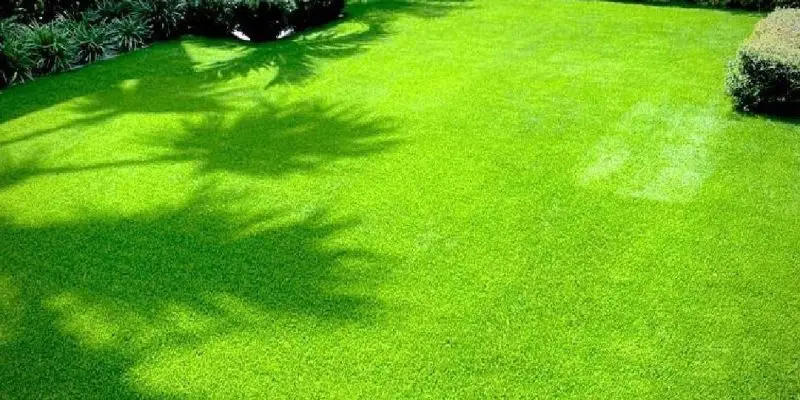
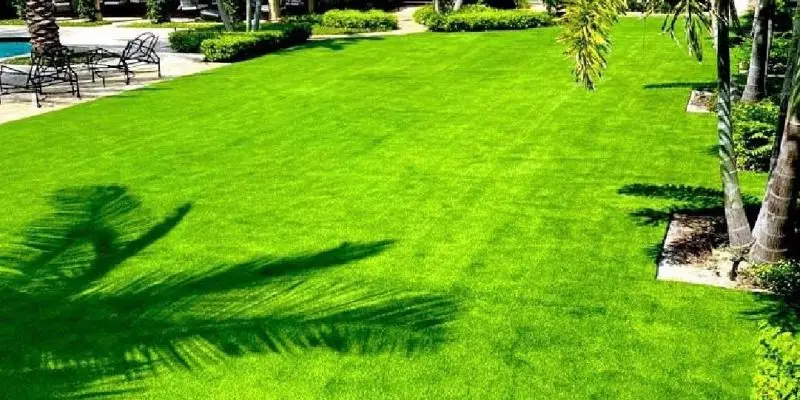
Artificial grass lawn with vibrant green color and palm tree shadows, showcasing a low-maintenance outdoor space ideal for pets and landscaping solutions.

Artificial Lawn for Dogs: The Ultimate Pet-Friendly Solution

For pet owners, creating a safe, enjoyable, and low-maintenance outdoor space for their furry friends is a top priority. An artificial lawn for dogs offers a practical and aesthetically pleasing solution to the challenges of natural grass. From eliminating mud and pests to reducing allergens and maintenance, artificial turf has numerous benefits. This blog delves into why artificial lawns are ideal for dogs, the features to look for in pet-friendly turf, and tips for maintaining a synthetic grass area that both you and your pets will love.

Why Choose an Artificial Lawn for Dogs?

Safety and Comfort

Artificial turf provides a soft and even surface for pets, reducing the risk of injuries from uneven ground. High-quality artificial grass is also free from harmful chemicals and pests, ensuring a safer environment for play and relaxation.

Durability

Designed to withstand heavy use, artificial lawns resist the wear and tear caused by pets running, playing, or digging. Unlike natural grass, synthetic turf remains lush and green, without bare patches or mud.

Easy Cleanup and Hygiene

One of the most significant advantages of artificial turf is the ease of cleanup. Urine drains away, and solid waste can be cleaned off easily. Additionally, quality artificial grass is designed to resist odors, helping keep your outdoor space fresh.

Water Conservation

Artificial lawns require no watering to maintain their appearance, making them an eco-friendly option that conserves water and reduces your utility bills.

Choosing the Right Artificial Lawn for Your Dog

When selecting artificial turf for your pet-friendly yard, consider the following features:

  • Pile Height: Look for a medium pile height that balances comfort for your pet and ease of maintenance.
  • Durability: Opt for turf made with durable fibers that can withstand heavy pet use.
  • Drainage: Good drainage is crucial to prevent water pooling and ensure quick drying after rain or cleaning.
  • Non-Toxic: Ensure the turf and infill materials are non-toxic and safe for pets.

Maintenance Tips for Your Artificial Dog Lawn

Maintaining an artificial lawn is straightforward, but regular care will keep it looking great and hygienic:

  • Rinse Regularly: Lightly hose down the turf to remove dust and pollen, and to help control odors.
  • Remove Waste Promptly: Pick up solid waste daily, and rinse the area to keep it clean.
  • Brush the Fibers: Use a stiff-bristled brush to fluff up the fibers if they become matted, maintaining the lawn’s natural appearance.

Conclusion

An artificial lawn for dogs provides a year-round, durable, and safe play area for pets while offering the aesthetic appeal of natural grass without the maintenance challenges. By selecting the right product and following simple care routines, you can create a beautiful, functional outdoor space that enhances your property and provides joy for your pets. Embrace the benefits of artificial turf and enjoy more quality time outdoors with your furry companions, with less work and more play.

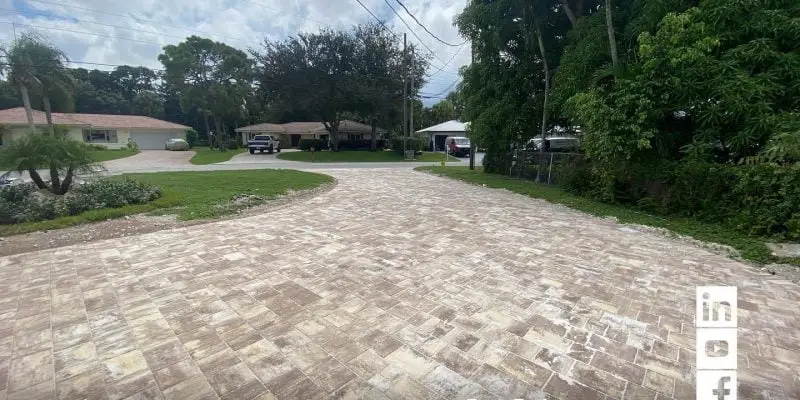
Brick paver driveway leading to residential homes, showcasing aesthetic appeal and durable landscaping solutions.

Transforming Outdoor Spaces with Brick Pavers: Elegance and Durability Combined

Brick pavers have long been revered for their aesthetic appeal and durability, making them an excellent choice for homeowners and landscape designers looking to enhance outdoor living spaces. From driveways and walkways to patios and pool decks, brick pavers offer versatility in design while providing a timeless look that complements both modern and traditional architectures. This blog explores the benefits of using brick pavers, design possibilities, installation tips, and maintenance advice to help you make the most of this enduring landscaping material.

The Enduring Appeal of Brick Pavers

Aesthetic Versatility

Brick pavers come in a variety of colors, shapes, and textures, allowing for endless design possibilities. Whether you’re aiming for a classic herringbone pattern, a rustic staggered layout, or a contemporary grid, brick pavers can be arranged to achieve your desired aesthetic.

Durability and Strength

Designed to withstand heavy loads and adverse weather conditions, brick pavers are an ideal choice for high-traffic areas. Their ability to resist fading and wear over time ensures that your outdoor spaces remain beautiful and functional for years to come.

Eco-Friendly Option

Many brick pavers are made from natural clay or recycled materials, making them an environmentally friendly option for landscaping. Their permeable nature also helps in water drainage and management, reducing runoff and promoting a healthier landscape.

Designing with Brick Pavers

Harmony with the Landscape

Consider the overall style of your home and landscape when choosing brick pavers. Select colors and patterns that complement the surrounding elements to create a cohesive outdoor environment.

Functional Aesthetics

Beyond beauty, consider how the space will be used. Different textures and paver sizes can define areas, direct traffic, and ensure safety in both dry and wet conditions.

Accent and Contrast

Use brick pavers to create accents or borders within your landscape. Contrasting colors or patterns can highlight specific areas, like walkways or flower beds, adding depth and interest to your outdoor design.

Installation Insights

While professional installation is recommended for most projects, here are a few key considerations if you’re thinking about a DIY approach:

  • Preparation is Key: Proper site preparation, including excavation and base material installation, is crucial for a long-lasting paver project.
  • Drainage: Ensure adequate drainage to prevent water accumulation that could undermine the integrity of the paver installation.
  • Cutting Pavers: You may need to cut pavers to fit your space. A wet saw with a diamond blade is typically used for precise cuts.

Maintaining Your Brick Pavers Space

Maintenance is relatively straightforward but essential for keeping your brick paver areas looking their best:

  • Regular Cleaning: Sweep regularly and rinse with water to remove dirt and debris. A mild detergent can be used for tougher stains.
  • Weed and Moss Control: Use polymeric sand between pavers to inhibit weed growth and prevent moss. Re-sand and seal pavers as needed to maintain their appearance and durability.
  • Sealing: Consider sealing your pavers to enhance their color and protect against stains and weathering.

Conclusion

Brick paversoffer a perfect blend of beauty, durability, and versatility, making them an ideal choice for enhancing outdoor spaces. Whether you’re revamping a driveway, creating a cozy patio, or designing a garden path, brick pavers provide a solid foundation for your landscaping projects. With careful planning, installation, and maintenance, your brick paver designs will serve as a lasting testament to both your personal style and your commitment to quality.

Lush synthetic turf lawn ideal for dogs, featuring vibrant green grass, surrounded by landscaped areas and palm trees, showcasing a clean and safe outdoor environment for pets.

The Ideal Outdoor Solution: Synthetic Turf for Dogs

For pet owners looking to create a safe, clean, and durable space for their furry friends, synthetic turf for dogs offers an innovative solution. This alternative to natural grass addresses many of the common challenges pet owners face, from maintenance woes to the health and safety of their pets. This blog explores the benefits of synthetic turf for dogs, considerations for choosing the right product, and maintenance tips to ensure a long-lasting, pet-friendly environment.

Advantages of Synthetic Turf for Dogs

Health and Safety

Synthetic turf eliminates the need for fertilizers, pesticides, and other chemicals, making it a safer option for pets. The material is designed to be non-toxic and gentle on paws, reducing the risk of injuries and irritations.

Durability and Comfort

Engineered to withstand heavy use, synthetic turf remains lush and green regardless of weather conditions or the enthusiastic play of dogs. It’s also designed to provide a comfortable surface for pets to run, play, and lounge on.

Cleanliness and Convenience

With synthetic turf, muddy paws and dirt tracked into the house become a thing of the past. Urine drains away, and solid waste is easy to clean, minimizing odors and maintaining a hygienic environment for both pets and owners.

Water Conservation

Unlike natural grass, synthetic turf requires no watering to maintain its appearance. This not only conserves water but also ensures that the play area is always ready for use, even during drought conditions.

Choosing the Right Synthetic Turf for Your Dog

When selecting synthetic turf for your pet, consider the following features to find the best fit for your needs:

  • Pile Height: Opt for a pile height that balances comfort for your pet with ease of cleaning.
  • Durability: Look for turf made from high-quality, durable materials that can withstand the rigors of pet use.
  • Drainage: Effective drainage is crucial to prevent odors and keep the area clean. Ensure the turf backing is permeable and professionally installed.
  • Infill: Choose a pet-friendly infill that helps with odor control and keeps the turf blades upright.

Maintenance Tips for Synthetic Turf

To ensure your synthetic turf remains a pleasant and hygienic space for your dogs, follow these maintenance tips:

  • Regular Cleaning: Rinse the turf regularly with water to remove dust and pollen. For liquid waste, occasional flushing with a mild detergent can help prevent odors.
  • Dealing with Solid Waste: Remove solid waste promptly. Most synthetic turfs are easy to clean with a hose or by spot cleaning with a mild, pet-safe cleaner.
  • Brushing: To keep the turf looking natural and prevent matting, brush the surface periodically with a stiff brush.

Conclusion

Synthetic turf for dogs presents a practical, attractive solution for pet owners seeking to create a safe, enjoyable outdoor space for their pets. By combining the benefits of durability, safety, and low maintenance, synthetic turf allows pets and their owners to enjoy the outdoors without the drawbacks of natural grass. Whether you’re designing a new pet area or upgrading an existing space, synthetic turf offers a versatile, long-lasting option that both you and your pets will love.

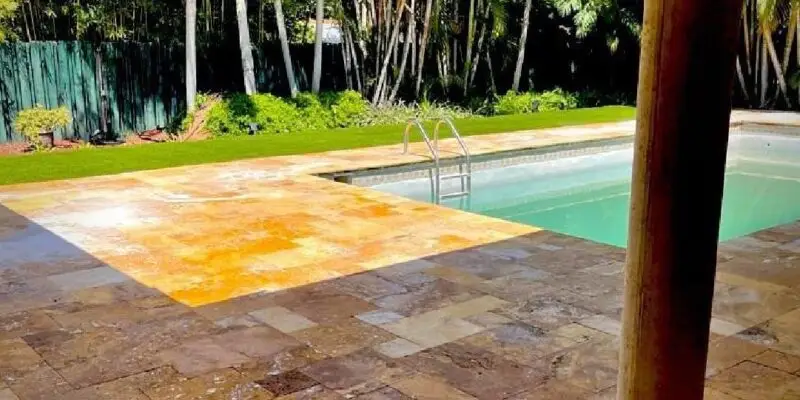
Poolside view featuring decorative stone pavers and a swimming pool with a ladder, surrounded by lush greenery and a wooden support post, illustrating outdoor landscaping and paving solutions.

Selecting the Right Paving Contractors: A Comprehensive Guide

When it comes to transforming your outdoor spaces, the choice of paving contractor is as crucial as the material itself. The expertise, reliability, and craftsmanship of paving contractors can significantly influence the durability, aesthetics, and value of your paving project. Whether you’re considering a new driveway, patio, walkway, or pool surround, this guide aims to navigate you through the process of selecting the right paving contractors, ensuring a successful and satisfying outcome for your landscaping endeavors.

Understanding the Role of Paving Contractors

Paving contractors specialize in installing surfaces such as asphalt, concrete, brick, and stone, providing not only functional but also decorative solutions for residential and commercial properties. Their services encompass site preparation, material selection, installation, and maintenance advice, ensuring that your project not only meets your aesthetic expectations but also stands the test of time.

Key Factors to Consider When Choosing Paving Contractors

Experience and Expertise

Look for contractors with a solid track record in your specific project type. Experience in the field indicates a deep understanding of material behavior, installation nuances, and potential challenges.

Portfolio and References

A reputable contractor should be able to provide a portfolio of their previous work and references from past clients. This will give you insight into their capability and the quality of their workmanship.

Licenses, Certifications, and Insurance

Ensure the contractors are licensed to operate in your area, hold any necessary certifications, and are insured. This protects you from liability and assures the contractor’s adherence to industry standards.

Material and Design Consultation

A good paving contractor will offer guidance on the most suitable materials and design options for your project, considering factors like climate, usage, and your personal style.

Detailed Quotes and Contracts

Opt for contractors who provide detailed quotes and clear contracts outlining the scope of work, material specifications, timelines, payment schedules, and warranties.

Tips for a Smooth Paving Project

Conduct Thorough Research

Start with an online search for “paving contractors near me,” read reviews, and ask for recommendations from friends or family who have recently undertaken similar projects.

Schedule Consultations

Meet with potential contractors to discuss your project in detail. This is also an opportunity to assess their professionalism and communication skills.

Compare Bids

Evaluate multiple bids not only based on price but also considering the value, quality of materials, and the contractor’s experience and reputation.

Understand the Process

Ask about the installation process, including preparation work, drainage considerations, and how they handle unforeseen issues.

Maintenance and Aftercare

Inquire about the necessary maintenance for your chosen paving material and if the contractor offers any aftercare services or advice.

Conclusion

The right paving contractors can elevate your outdoor project from satisfactory to exceptional. By investing time in selecting a contractor who meets the criteria outlined above, you’re not just ensuring a high-quality finish but also adding value and beauty to your property. Remember, a successful paving project is a collaboration between you and your contractor, so choose a partner who understands your vision and has the expertise to bring it to life.

Lush green artificial turf lawn surrounded by tropical plants, ideal for pet-friendly landscaping and outdoor play.

Artificial Turf and Dogs: A Perfect Match for Pet Owners

For pet owners looking for a low-maintenance, durable, and pet-friendly landscaping solution, artificial turf emerges as an excellent choice. The combination of artificial turf and dogs brings together the best of both worlds: a space where pets can play to their heart’s content without the drawbacks of natural grass. This blog dives into the benefits of artificial turf and dog owners, considerations for choosing the right turf, and tips for maintaining a pet-friendly artificial lawn.

Benefits of Artificial Turf for Dogs

Safety and Comfort

Artificial turf is designed to be soft and gentle on pet paws, reducing the risk of injuries from rough or uneven surfaces. High-quality turf also lacks the pesticides and fertilizers that are often necessary for maintaining natural grass, making it a safer option for pets.

Durability

Unlike natural grass that can show wear and tear from pets running and playing, high-grade artificial turf stands up to the most active dogs, ensuring your lawn remains green and lush without bare patches.

Easy Cleanup

One of the biggest advantages of artificial turf is the ease of cleanup. Urine drains away, and solid waste can be picked up as usual and rinsed off, leaving no discoloration or odor.

Water Conservation

Artificial turf doesn’t require watering to stay green. This not only conserves water but also means your dog can enjoy the outdoors without turning your yard into a mud pit after rain.

Choosing the Right Artificial Turf for Your Dog

When selecting artificial turf for your pet, consider the following:

  • Pile Height: Shorter pile heights are easier for dogs to navigate and simpler to clean.
  • Durability: Look for turf specifically designed to withstand pet use, with strong backing that resists digging and chewing.
  • Drainage: Proper drainage is crucial to prevent odors and bacterial growth. Ensure the turf has an efficient drainage system.
  • Materials: Opt for non-toxic, lead-free materials to ensure the safety of your pet.

Installation Tips

Professional installation is recommended to ensure optimal drainage and durability. However, for those considering DIY, it’s important to:

  • Prepare the base correctly, with crushed stone for proper drainage.
  • Ensure the turf is securely fastened, with no loose edges where pets could start digging.
  • Consider adding a deodorizing infill to help neutralize odors.

Maintaining Your Pet-Friendly Artificial Lawn

Maintaining artificial turf is straightforward, but there are a few tips to keep it looking its best:

  • Regularly brush the turf to keep fibers upright and remove debris.
  • Rinse the turf to wash away urine and prevent odors.
  • Check the turf periodically for signs of wear or damage, particularly if your dog is a digger.

Conclusion

Artificial turf and dogs are a match made in heaven for pet owners seeking a beautiful, durable, and low-maintenance lawn. By choosing the right type of turf and following proper installation and maintenance guidelines, you can create a safe, enjoyable outdoor space for your furry friends. Not only does artificial turf offer practical benefits like water conservation and easy cleanup, but it also ensures that your lawn stays green and inviting all year round, regardless of weather or wear. Embrace the advantages of artificial turf and give your pets the perfect playground.

Lush synthetic grass lawn designed for pet-friendly outdoor spaces, featuring vibrant green color and bordered by decorative plants.

The Ultimate Guide to Synthetic Grass for Dogs: Creating a Pet-Friendly Paradise

Transforming your outdoor space into a pet-friendly paradise is easier than you think, thanks to the wonders ofsynthetic grass for dogs. This innovative solution offers pet owners the perfect blend of aesthetic appeal, functionality, and ease of maintenance. In this comprehensive guide, we’ll explore the benefits of synthetic grass for your furry friends, how to choose the best product, installation tips, and maintenance advice to ensure your synthetic lawn remains a vibrant and safe space for your pets.

Why Choose Synthetic Grass for Dogs?

Synthetic grass for dogs is designed to withstand the playful antics and daily wear and tear caused by pets, offering several advantages over natural grass:

  • Durability: It resists digging, doesn’t get muddy, and remains lush and green year-round.
  • Safety: High-quality synthetic grass is non-toxic and free from pesticides and fertilizers, making it safe for pets.
  • Hygiene: Easy to clean and drain, synthetic grass keeps your pets clean and reduces unpleasant odors.
  • Comfort: The soft and comfortable texture is gentle on paws, making it ideal for play and relaxation.

Selecting the Right Synthetic Grass

When shopping for synthetic grass for dogs, consider the following features to ensure you choose the best option for your pet and lifestyle:

  • Pile Height: Short to medium pile heights are ideal for dogs, as they are easier to clean and more durable.
  • Durability: Look for grass made with high-quality, durable fibers that can withstand heavy use.
  • Drainage: Efficient drainage is crucial to prevent water pooling and odor buildup. Ensure the backing material is permeable.
  • Non-toxic: Confirm that the synthetic grass is made from non-toxic materials that are safe for pets.

Installation Tips

Proper installation is key to maximizing the lifespan and effectiveness of synthetic grass for dogs:

  1. Prepare the Base: Remove any existing grass or debris, level the ground, and ensure proper drainage.
  2. Install a Weed Barrier: This will prevent weeds from growing through and ensure a smooth surface.
  3. Lay the Synthetic Grass: Roll out the synthetic grass and secure it firmly along the edges and seams.
  4. Apply Infill (Optional): Some types of synthetic grass require infill to help the blades stand up and improve drainage. Choose a pet-friendly option.

Maintenance Advice

Keeping your synthetic grass clean and fresh is straightforward with these maintenance tips:

  • Regular Rinsing: Use a hose to rinse the grass regularly, especially in hot weather, to keep it cool and clean.
  • Remove Waste Promptly: Pick up solid waste as soon as possible and rinse the area. For urine, regular rinsing helps to prevent odors.
  • Brush the Fibers: Occasionally brush the grass fibers to keep them looking full and natural.

Conclusion

Synthetic grass for dogs is an excellent investment for pet owners seeking a beautiful, low-maintenance, and safe outdoor space for their pets to enjoy. By choosing the right product, ensuring proper installation, and following simple maintenance steps, you can create a durable and hygienic environment that both you and your pets will love. Embrace the benefits of synthetic grass and enjoy spending more quality outdoor time with your furry friends, without the hassle of traditional lawn care.

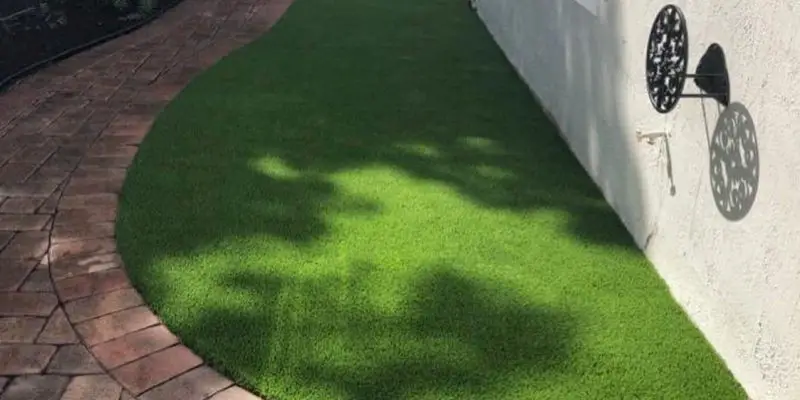
Artificial grass lawn adjacent to a curved brick paver walkway, showcasing sustainable landscaping solutions.

Revolutionize Your Outdoor Spaces with Permeable Pavers

In today’s environmentally conscious world, homeowners and city planners alike are seeking sustainable solutions for outdoor landscaping and urban development. Permeable pavers, known for their eco-friendly design and water management capabilities, are at the forefront of this movement. This blog delves into the benefits of permeable pavers, their installation process, and maintenance tips, offering a comprehensive guide to this innovative paving solution.

Why Choose Permeable Pavers?

Permeable pavers stand out for their ability to facilitate ground water recharge by allowing water to filter through the surface and into the soil below. This feature not only reduces runoff and prevents flooding but also filters pollutants, improving water quality. Here are the key benefits:

  • Eco-Friendly: Permeable pavers reduce the impact of urban development on natural water cycles.
  • Flood Prevention: They mitigate the risk of flooding by effectively managing heavy rainfall.
  • Durability: Designed to be long-lasting, permeable pavers can withstand varying weather conditions and heavy traffic.
  • Aesthetic Appeal: Available in various colors and patterns, they enhance the visual appeal of any space.

Installation Insights

The proper installation of permeable pavers is crucial for their functionality and longevity. Here’s a simplified overview of the process:

  1. Site Preparation: Remove existing pavement or sod and level the area.
  2. Sub-base Layer: Install a thick layer of crushed stone to facilitate drainage.
  3. Base Layer: A slightly finer crushed stone layer goes on top of the sub-base to provide a stable foundation.
  4. Bedding Layer: A layer of coarse bedding sand is added next to support the pavers.
  5. Laying Pavers: Place the permeable pavers tightly together to create the desired pattern.
  6. Filling Joints: Fill the joints between pavers with a permeable aggregate to ensure water permeability.

Maintenance and Care

Permeable pavers require minimal maintenance to remain effective:

  • Regular Cleaning: Sweep or blow leaves and debris off the pavers to prevent clogging of the joints.
  • Occasional Washing: Use a pressure washer gently to remove dirt and maintain the permeability of the joints.
  • Weed Control: Although weeds are less likely to grow through permeable pavers, any that do appear should be removed promptly.

Conclusion

Permeable pavers offer a sustainable, efficient, and aesthetically pleasing solution for managing rainwater and enhancing outdoor spaces. By choosing permeable pavers, you contribute to a healthier environment, prevent water runoff issues, and enjoy a durable and attractive outdoor area. Whether for a residential driveway, a city sidewalk, or a large public plaza, permeable pavers provide an innovative solution that benefits both the planet and its people.

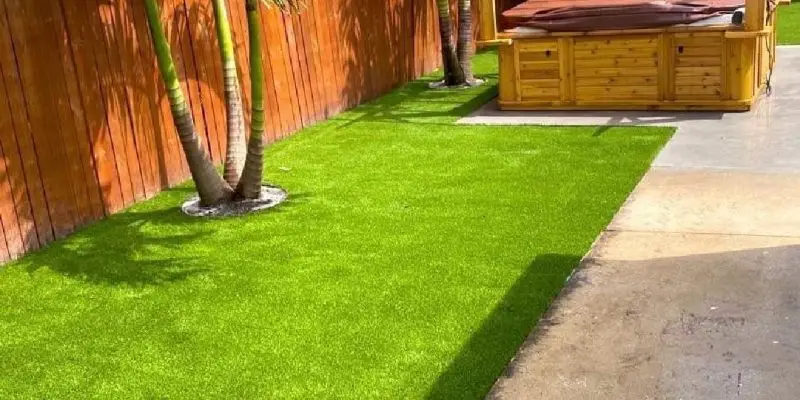
Lush green artificial turf installed in a backyard setting, featuring palm trees and a wooden hot tub, ideal for pet-friendly landscaping.

Transform Your Yard with Artificial Turf for Dogs: A Complete Guide

For pet owners looking to create a safe, clean, and green space for their furry friends, artificial turf for dogs is an increasingly popular choice. This pet-friendly landscaping solution offers numerous benefits over natural grass, from reduced maintenance to improved cleanliness. In this blog, we’ll explore why artificial turf is ideal for dogs, the installation process, and how to maintain it for years of enjoyment.

Benefits of Artificial Turf for Dogs

  • Durability: Artificial turf can withstand the rigorous play of dogs without getting muddy or worn out, ensuring your yard stays green and pristine.
  • Safety: High-quality artificial turf is non-toxic and provides a soft landing for pets, reducing the risk of injuries during play.
  • Cleanliness: Say goodbye to muddy paws and holes dug in the yard. Artificial turf for dogs ensures your pet stays clean, and your home does too.
  • Water Conservation: Unlike natural grass, artificial turf doesn’t require watering, saving significant amounts of water annually.
  • Pest Reduction: Artificial turf doesn’t attract pests like fleas and ticks, keeping your pets safer from bites and related diseases.

Selecting the Right Artificial Turf for Your Dog

When choosing artificial turf for your pet, consider the following factors:

  • Pile Height: Shorter pile heights are easier for pets to navigate and are simpler to clean.
  • Durability: Look for turf designed to withstand heavy pet use.
  • Drainage: Good drainage is crucial to prevent odors and bacteria growth.
  • Materials: Ensure the turf is made from non-toxic materials safe for pets.

Installation Process

Installing artificial turf for dogs involves several key steps to ensure longevity and performance:

  1. Preparation: Remove existing grass and level the ground. Proper drainage is essential to prevent water pooling and odor buildup.
  2. Base Layer: Install a crushed stone base layer to facilitate drainage and provide a stable foundation.
  3. Turf Laying: Roll out the artificial turf, trim to fit, and secure the edges with nails or staples.
  4. Infill Application: Apply a pet-friendly infill to help the turf stand up and enhance drainage.

Maintenance Tips

Artificial turf for dogs is low maintenance but requires regular cleaning to stay fresh:

  • Routine Cleaning: Rinse the turf weekly to remove dust and pollen.
  • Pet Waste Management: Solid waste should be removed promptly. Rinse the area with water, and use a vinegar solution for spot cleaning as needed.
  • Brushing: Periodically brush the turf against the grain to keep it looking natural and prevent matting.

Conclusion

Artificial turf for dogs offers an excellent solution for pet owners looking to enjoy a beautiful, functional yard without the drawbacks of natural grass. By choosing the right product and following proper installation and maintenance practices, you can create a pet-friendly outdoor space that looks great year-round. Embrace the benefits of artificial turf and enjoy more quality time outdoors with your furry family members, without the hassle of constant lawn care.

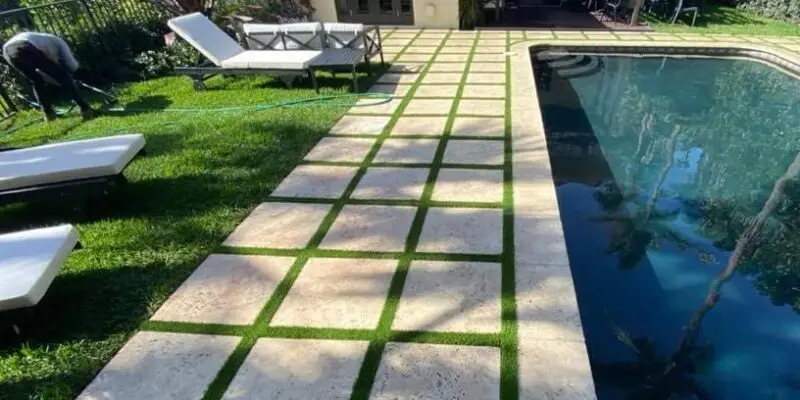
Pavers and artificial grass creating a stylish patio area by a pool, featuring lounge chairs and a worker maintaining the landscape.

Enhancing Outdoor Spaces: The Fusion of Pavers with Concrete

In the world of landscaping and outdoor design, the combination of pavers with concrete has emerged as a trendsetting choice for homeowners and designers alike. This dynamic duo offers durability, versatility, and aesthetic appeal, transforming ordinary outdoor areas into sophisticated living spaces. This blog delves into the benefits of using pavers with concrete, installation insights, and tips for maintaining this unique hardscape solution.

The Allure of Pavers with Concrete

Combining pavers with concrete creates a harmonious blend of texture, color, and pattern, elevating the visual appeal of driveways, patios, walkways, and more. Here’s why this combination is gaining popularity:

  • Aesthetic Versatility:Pavers come in a variety of shapes, colors, and textures, allowing for custom designs that complement any architectural style. When paired with the sleek, uniform look of concrete, the result is a striking contrast that adds character and depth to outdoor spaces.
  • Durability and Strength: Concrete provides a solid foundation that enhances the stability and longevity of paver installations. This combination is capable of withstanding heavy traffic, extreme weather conditions, and the test of time.
  • Low Maintenance:Pavers with concrete require minimal upkeep. The concrete base prevents pavers from shifting, while the pavers themselves are easy to replace if damaged.
  • Improved Drainage: Properly installed pavers with concrete can offer superior drainage solutions, reducing the risk of water pooling and flooding.

Installation Essentials

Creating a stunning outdoor space with pavers and concrete involves several key steps:

1. Design and Planning

Start with a clear design that specifies the areas for concrete and pavers. Consider the overall aesthetic and functionality you wish to achieve.

2. Site Preparation

The first step in the installation process involves preparing the site by excavating the designated area and ensuring a level base. Proper grading is essential for effective drainage.

3. Laying the Concrete

Pour the concrete in the designated areas, keeping in mind the thickness required for the intended use (e.g., walking vs. vehicle traffic). Allow the concrete to cure completely before proceeding.

4. Installing Pavers

Place the pavers on the concrete base according to your design. Use mortar or a strong adhesive to secure the pavers, ensuring they are evenly spaced and level.

5. Finishing Touches

Fill the joints between pavers with sand or polymeric sand to lock them in place and prevent weed growth. Seal both the concrete and pavers to protect against stains and weather damage.

Maintenance Tips

Maintaining your pavers with concrete is straightforward:

  • Regular Cleaning: Sweep the surface to remove debris. Wash with mild soap and water or a pressure washer for deeper cleaning.
  • Weed and Moss Control: Apply a pre-emergent weed preventer between pavers and regularly inspect for unwanted growth, removing any weeds or moss promptly.
  • Sealant Application: Reapply sealant to the pavers and concrete every few years to maintain their appearance and durability.

Conclusion

Pavers with concrete offer a unique way to beautify outdoor spaces, combining the timeless elegance of pavers with the enduring strength of concrete. Whether you’re updating a patio, driveway, or walkway, this combination provides a customizable, durable, and low-maintenance solution. With proper installation and care, your pavers with concrete will enhance the beauty and functionality of your outdoor spaces for years to come, making it a worthwhile investment for any homeowner.

Lush green artificial grass in a pet-friendly backyard, featuring a paved area and outdoor seating, ideal for dogs and low-maintenance landscaping.

The Ultimate Guide to Artificial Grass for Dogs: Creating a Pet-Friendly Backyard

For pet owners, creating a safe, enjoyable, and low-maintenance outdoor space for their furry friends is a top priority. Artificial grass for dogs offers a perfect solution, combining the beauty of a lush green lawn with the practical benefits of durability and ease of care. This guide explores the advantages of artificial grass for dogs, installation tips, and how to maintain it, ensuring your pet enjoys a delightful outdoor environment.

Benefits of Artificial Grass for Dogs

  • Safety and Comfort: Artificial grass provides a soft and comfortable surface for dogs to play on, free from pests and harmful chemicals.
  • Durability: Designed to withstand heavy use, artificial grass resists wear and tear from running, digging, and other doggy behaviors.
  • Low Maintenance: Say goodbye to muddy paws and endless lawn care. Artificial grass for dogs requires no watering, mowing, or fertilizing.
  • Odor Control: High-quality artificial grass is designed with proper drainage and antimicrobial agents to help control odors and keep the area clean.
  • All-Weather Enjoyment: Unlike natural grass, artificial turf drains quickly, preventing puddles and mud, so your dog can enjoy the outdoors any time.

Choosing the Right Artificial Grass for Your Dog

When selectingartificial grass for your pet, consider the following:

  • Pile Height: Shorter pile heights are easier for dogs to walk on and easier to clean.
  • Durability: Look for products specifically designed for pets, with high durability and excellent drainage.
  • Non-Toxic Materials: Ensure the artificial grass is made from non-toxic materials safe for pets.

Installation Tips

  • Prepare the Area: Remove any existing grass and level the ground. Proper drainage is crucial to prevent odors and standing water.
  • Install a Sub-base: A crushed stone sub-base provides a stable foundation and further aids in drainage.
  • Lay the Turf: Roll out the artificial grass, ensuring seams are tightly aligned. Secure the edges and apply infill to keep the grass blades upright and add extra cushioning for your pet.

Maintenance and Care

  • Regular Cleaning: Rinse the grass regularly to remove dust and pet waste. Use a hose with a spray nozzle for easy cleaning.
  • Deal with Waste: Solid waste should be removed promptly. Use a mixture of water and vinegar to clean any areas where pets urinate frequently to neutralize odors.
  • Brush the Turf: Keep the artificial grass looking its best by brushing it occasionally to fluff up the blades, especially in high-traffic areas.

Conclusion

Artificial grass for dogs is an excellent investment for pet owners looking for a beautiful, functional, and pet-friendly backyard solution. It offers the perfect blend of aesthetic appeal and practical functionality, making it ideal for pets and their owners alike. By selecting the right type of artificial grass, following proper installation guidelines, and maintaining the turf, you can create a safe and enjoyable outdoor space for your furry friends to play and relax.

Embrace the convenience and beauty of artificial grass for dogs, and enjoy a cleaner, greener, and happier outdoor space for you and your pet.

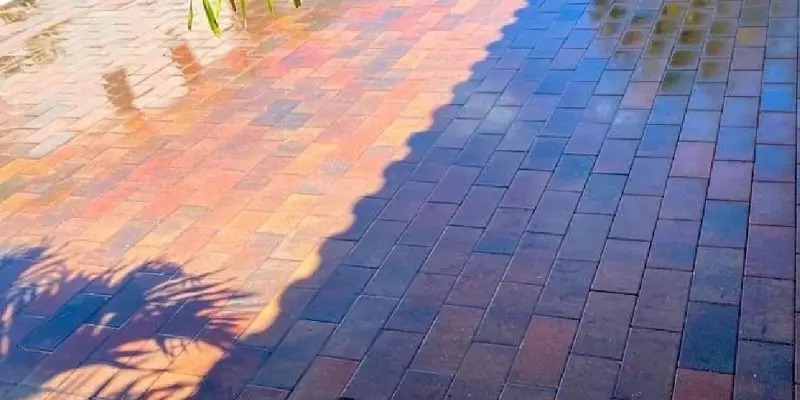
Paved outdoor surface with colorful brick pavers reflecting light, showcasing landscaping potential for residential or commercial spaces.

Mastering the Art of Laying Concrete on Pavers: A Step-by-Step Guide

Transforming your outdoor space can significantly enhance the curb appeal and functionality of your home. One effective way to achieve this transformation is by laying concrete on pavers. This method not only provides a durable surface for patios, walkways, and driveways but also offers a versatile aesthetic that can complement any landscape design. In this blog, we’ll guide you through the process of laying concrete on pavers, ensuring you have all the information needed to create a stunning outdoor area.

Understanding Concrete on Pavers

Laying concrete on pavers involves creating a solid, flat surface with pavers and then applying a thin layer of concrete over them. This technique combines the strength of concrete with the visual appeal of pavers, giving you the best of both worlds. It’s an excellent option for homeowners looking to refurbish their outdoor spaces without completely removing existing pavers.

Benefits of Concrete on Pavers

  • Durability: The combination of concrete and pavers creates a robust surface that can withstand heavy foot traffic and extreme weather conditions.
  • Aesthetics: Concrete can be colored or textured to match your existing outdoor decor, enhancing the overall look of your space.
  • Cost-Effectiveness: This method can be more cost-efficient than replacing entire paver areas, especially if the existing pavers are in good condition.
  • Flexibility: Suitable for various outdoor applications, including patios, walkways, and driveways.

Step-by-Step Installation Guide

1. Preparation

  • Clean the Pavers: Ensure the paver surface is clean and free from debris, weeds, or any loose materials. A power washer can be effective for this step.
  • Repair Damages: Fix any broken or uneven pavers to create a smooth surface for the concrete application.

2. Setting Up

  • Apply a Binding Agent: Use a bonding adhesive on the pavers to ensure the concrete adheres properly. This step is crucial for the longevity of your project.
  • Mix the Concrete: Prepare your concrete mix according to the manufacturer’s instructions. Consider adding a coloring agent if desired.

3. Applying Concrete

  • Spread the Concrete: Pour the concrete over the pavers, using a trowel to spread it evenly. Aim for a layer about 1/2 to 1 inch thick.
  • Texture as Needed: If you want a textured surface, now is the time to add it. You can use brooms or stamps to create your desired finish.
  • Curing: Allow the concrete to cure for the time recommended by the manufacturer, usually at least 24 hours.

4. Finishing Touches

  • Seal the Surface: After the concrete has fully cured, apply a sealant. This will protect your new surface from moisture and wear, extending its lifespan.

Maintenance Tips

Maintaining your concrete on pavers surface is straightforward. Regular cleaning with a hose or power washer will keep it looking fresh. Reapply sealant every few years to maintain its protective layer.

Conclusion

Laying concrete on pavers is a practical and stylish way to upgrade your outdoor living spaces. By following this guide, you can ensure a successful project that enhances your home’s aesthetic appeal and functionality. Whether you’re creating a new patio, walkway, or revamping an old driveway, the combination of concrete and pavers offers a durable, versatile, and attractive solution.

Remember, the key to a successful concrete on pavers project lies in thorough preparation, careful application, and regular maintenance. With these steps, you can enjoy a beautiful and long-lasting outdoor surface that enhances the overall value and enjoyment of your home.

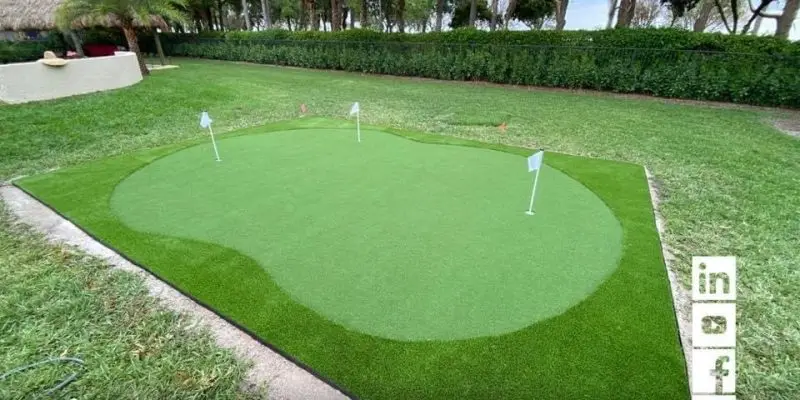
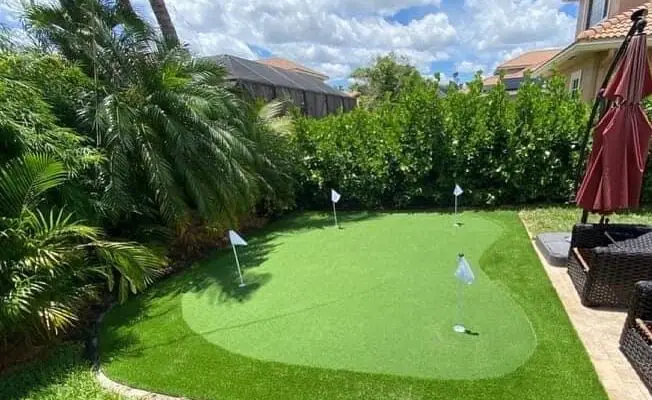
Artificial putting green with flags in a landscaped backyard, showcasing lush, synthetic grass for golf practice and outdoor aesthetics.

The Ultimate Guide to Creating Your Dream Green Putting Space

Golf enthusiasts and homeowners alike are constantly seeking ways to enhance their outdoor living spaces, and what better addition than a green putting area? Not only does it offer a convenient space for practicing golf, but it also transforms your backyard into a lush, inviting retreat. In this guide, we’ll dive into the world of green putting, exploring its benefits, installation tips, and maintenance advice to help you create the perfect putt-putt paradise right in your own backyard.

Why Green Putting?

Green putting, the practice of installing artificial or natural putting greens in residential or commercial spaces, has seen a surge in popularity for several reasons. It provides an excellent way for golfing aficionados to practice their short game without leaving the comfort of their home. Moreover, a well-designed green putting area adds aesthetic value to your property, creating a vibrant, green oasis that can be enjoyed year-round, regardless of weather conditions.

Choosing the Right Type of Green

When it comes to green putting, one size does not fit all. The choice between artificial and natural grass depends on various factors, including maintenance preferences, budget, and the desired aesthetic.

  • Artificial Green Putting: Synthetic options offer low maintenance, requiring no watering, mowing, or fertilizing. They provide a consistent playing surface year-round and are ideal for areas where natural grass might struggle to thrive.
  • Natural Green Putting: For purists, natural grass provides an authentic playing experience. Though it demands more upkeep, the effort is well worth it for those who prefer the feel and performance of real grass underfoot.

Installation Essentials

Creating the perfect green putting space involves careful planning and attention to detail. Here are the key steps:

  1. Design Planning: Consider the size of your green, the complexity of the design, and how it will fit within your existing landscape. Incorporating challenges like bunkers or slopes can add interest and improve your game.
  2. Site Preparation: Whether you opt for synthetic or natural turf, preparing the site is crucial. This includes clearing the area, ensuring proper drainage, and creating a stable base.
  3. Turf Selection and Installation: Choose a high-quality turf that meets your playing and aesthetic requirements. Installation techniques vary, but precision and care are paramount to creating a smooth, durable playing surface.
  4. Finishing Touches: Adding fringes, flags, and even lighting can enhance the functionality and beauty of your green putting area, making it a focal point of your outdoor space.

Maintenance Matters

To keep your green putting area in top condition, regular maintenance is essential. For artificial greens, this means periodic brushing, debris removal, and occasional rinsing. Natural greens require more traditional lawn care, including mowing, watering, and aerating, to maintain their health and playability.

The Bottom Line

Investing in a green putting area can significantly enhance your property’s appeal and provide endless hours of entertainment and practice for golf enthusiasts. By choosing the right materials, employing careful installation techniques, and adhering to proper maintenance routines, you can ensure that your green putting space remains a cherished part of your outdoor landscape for years to come.

Embrace the joy of golfing at home by creating a stunning, functional green putting area. It’s not just an investment in your property; it’s an investment in your passion for the game and the pleasure of outdoor living.

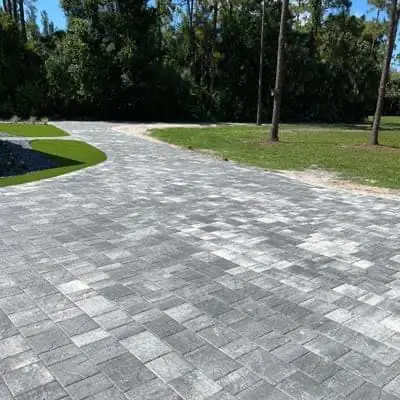
Paved driveway featuring gray interlocking pavers, surrounded by lush greenery, enhancing curb appeal for residential properties.

Enhance Your Curb Appeal with Pavers on a Driveway: A Complete Guide.

Your driveway is more than just a functional space; it’s a crucial part of your home’s curb appeal. If you’re looking to elevate the aesthetics and durability of your driveway, consider using pavers. In this comprehensive guide, we’ll explore the world of pavers on a driveway, their advantages, the installation process, and design options to help you make an informed decision.

Benefits of Using Pavers on Your Driveway

  1. Visual Appeal: Driveway pavers come in various colors, shapes, and patterns, allowing you to create a unique and visually appealing entrance to your home. You can choose a design that complements your home’s architecture and style.
  2. Durability: Pavers are known for their strength and durability. They can withstand heavy vehicle traffic and the test of time, making them a long-lasting choice for your driveway.
  3. Low Maintenance: Paver driveways are easy to maintain. If a paver becomes stained or damaged, you can replace it individually, saving you time and money on repairs.
  4. Versatility: Pavers offer endless design possibilities. Whether you prefer a classic, contemporary, or rustic look, there are paver options to match your style.

The Driveway Paver Installation Process

Creating a stunning paver driveway involves several key steps:

  1. Planning and Design: Work with a professional to plan the design and layout of your driveway. Consider factors like paver type, color, pattern, and border options.
  2. Excavation: Prepare the site by excavating the existing driveway area and ensuring proper drainage.
  3. Base Installation: A stable base is essential for the longevity of your paver driveway. Crushed stone or gravel is added, compacted, and leveled to create a solid foundation.
  4. Edge Restraints: Install edge restraints to prevent the pavers from shifting or spreading out over time. This step ensures the driveway retains its shape.
  5. Sand Bedding: A layer of sand is spread over the compacted base to create a smooth surface for the pavers.
  6. Paver Installation: Skilled professionals lay down the pavers in the chosen pattern, taking care to maintain proper alignment and spacing.
  7. Compaction and Edging: The pavers are compacted to ensure a snug fit, and edge restraints are secured in place.
  8. Joint Sand: Fine sand is swept over the paver surface and into the joints to lock them in place and prevent shifting.
  9. Final Compaction: The driveway is compacted one final time to set the pavers securely in the sand.
  10. Sealing (Optional): Applying a sealant can enhance the paver colors, provide extra protection, and simplify maintenance.

Design Options for Your Paver Driveway

When it comes to designing your paver driveway, the possibilities are endless:

  • Herringbone Pattern: A classic and timeless choice that provides excellent interlock.
  • Basketweave Pattern: Creates a visually interesting and intricate design.
  • Circular Driveway: Ideal for larger properties, offering an elegant and functional solution.
  • Combination of Colors: Mix and match paver colors to create custom designs and borders.

Transform Your Driveway with Pavers

A paver driveway not only adds curb appeal but also increases the value of your home. It’s a durable, low-maintenance, and visually stunning choice that can make a lasting impression on visitors. Elevate your home’s exterior with a beautifully designed paver driveway and enjoy the benefits for years to come.

Backyard putting green with artificial turf, featuring multiple flags and surrounded by lush greenery, enhancing outdoor space for golf enthusiasts.

Transform Your Backyard with a Putting Green: Golf Enthusiasts, Read On!

Are you an avid golfer looking to enhance your skills and enjoy the game you love without leaving the comfort of your home? If so, a backyard putting green may be the perfect addition to your outdoor space. In this blog, we’ll explore the world of putting greens, the benefits they offer, and the installation process to make your golf dreams a reality.

Benefits of Having a Backyard Putting Green

  1. Practice Makes Perfect: Having a putting green at home allows you to practice your golfing skills whenever you want. Whether you’re working on your putting technique or perfecting your short game, the convenience of a backyard green is unbeatable.
  2. Endless Entertainment: A putting green is not just for practicing; it’s also great for entertaining guests. Host friendly putting competitions, challenge your friends to a mini-golf game, or simply enjoy quality time outdoors with your family.
  3. Year-Round Enjoyment: Unlike natural grass, synthetic putting greens can withstand various weather conditions, making them accessible year-round. Rain or shine, you can keep improving your golf game.
  4. Low Maintenance: Artificial turf requires minimal maintenance compared to natural grass. Say goodbye to mowing, watering, and fertilizing. Your green will stay pristine with minimal effort.

The Putting Green Installation Process

Creating your dream putting green involves several key steps:

  1. Design: Work with a professional to design your putting green according to your preferences and available space. You can choose the size, shape, and contours that suit your needs.
  2. Site Preparation: Clear the designated area, removing any existing grass or debris. Proper site preparation is essential for a smooth installation.
  3. Base Installation: A sturdy base is crucial for your green’s durability. Crushed stone or aggregate is added and compacted to create a solid foundation.
  4. Artificial Turf Installation: The synthetic putting surface is expertly installed over the prepared base. It’s essential to ensure a smooth and even surface.
  5. Cup and Flag Installation: The cup and flagstick are installed to mimic a real putting experience. You can choose different hole placements for added variety.
  6. Infill and Rolling: Silica sand infill is added to the turf to provide proper ball roll and weight. A heavy roller is used to settle the infill and achieve the desired green speed.
  7. Final Adjustments: The green’s contours and slopes are fine-tuned to meet your specifications and ensure a challenging yet enjoyable putting experience.

Enjoy Your Personal Putting Paradise

Once your backyard putting green is installed, you’ll have your own personal golf paradise right at home. Invite friends over for golf nights, practice your skills, or simply relax in the serene ambiance of your well-maintained green.

Whether you’re a serious golfer or just looking for a fun outdoor addition, a putting green offers endless enjoyment and a touch of luxury to your backyard. So, why wait? Start planning your dream putting green project today and elevate your golf game to new heights.

Paved walkway bordered by greenery and a fence, featuring a garden hose, illustrating landscaping choices between brick pavers and concrete.

Choosing Between Concrete and Pavers: Which is Right for Your Landscape?

When it comes to landscaping, selecting the right materials is crucial for both aesthetics and functionality. Concrete and pavers are two popular choices for various outdoor projects, from driveways and patios to walkways and pool decks. Let’s explore the advantages and disadvantages of each to help you decide which is the best fit for your landscape.

Concrete:

Pros:

  1. Cost-Effective: Concrete is often more budget-friendly than pavers, making it an economical choice for larger areas.
  2. Durability: Well-maintained concrete can last for decades, with minimal maintenance required.
  3. Versatility: It can be poured into various shapes and sizes, offering design flexibility.
  4. Smooth Surface: Concrete provides a smooth and even surface, ideal for activities like biking and skateboarding.

Cons:

  1. Cracking: Concrete may develop cracks over time due to settling, temperature changes, or tree roots.
  2. Limited Aesthetics: While it can be stamped or stained for visual appeal, concrete offers fewer design options compared to pavers.
  3. Repair Challenges: Fixing cracks or imperfections in concrete can be challenging and may result in visible patches.

Pavers:

Pros:

  1. Design Variety: Pavers come in a wide range of colors, shapes, and patterns, allowing for intricate and customized designs.
  2. Easy Repairs: Individual pavers can be replaced if damaged, simplifying repairs.
  3. No Cracking: Unlike concrete, pavers are less prone to cracking due to their segmented nature.
  4. Non-Slip: Pavers provide excellent traction, making them safer for walking and driving, especially around pools.

Cons:

  1. Cost: Pavers can be more expensive upfront, particularly if you choose premium or intricate designs.
  2. Maintenance: While they require less maintenance than concrete, pavers may need occasional re-leveling and cleaning.
  3. Weeds: Over time, weeds can grow between pavers, requiring periodic maintenance.
  4. Installation Complexity: Proper installation is essential to ensure a level surface, which may necessitate professional help.

In conclusion, the choice between concrete and pavers depends on your specific project requirements and preferences. Concrete offers a cost-effective and durable solution, ideal for straightforward designs. On the other hand, pavers provide versatility, aesthetics, and ease of repair, making them a preferred choice for intricate and visually appealing landscapes. Assess your needs, budget, and design aspirations to make the right decision for your outdoor space.

Lush green imitation lawn with sunlight casting shadows, highlighting the vibrant color and low-maintenance appeal of synthetic grass in a landscaped outdoor space.

Imitation Lawn: The Modern Solution for Effortless Green Spaces

In today’s fast-paced world, homeowners are seeking innovative ways to enjoy the beauty of nature without the time-consuming upkeep of natural grass. Enter imitation lawn, a modern landscaping solution that offers all the benefits of a green outdoor space without the headaches. Let’s explore why imitation lawn is gaining popularity among homeowners.

1. Evergreen Elegance: Imitation lawn, also known as synthetic grass or artificial turf, retains its vibrant green color year-round. No matter the season, you’ll enjoy a lush, perfectly manicured lawn that enhances your outdoor aesthetics.

2. Minimal Maintenance: Say goodbye to tedious lawn care tasks like mowing, watering, and fertilizing. Imitation lawns require minimal upkeep. Occasional brushing and gentle cleaning to remove debris are usually all it takes to maintain their pristine appearance.

3. Water-Wise: With environmental concerns on the rise, imitation lawns offer a water-saving advantage. You’ll significantly reduce your water usage, helping conserve this precious resource.

4. Environmentally Friendly: Imitation lawns are eco-friendly. By eliminating the need for pesticides, herbicides, and gas-powered lawn equipment, you’re contributing to a greener and healthier planet.

5. Pet and Kid-Friendly: Synthetic grass is safe and comfortable for both pets and children. It’s easy to clean, pet-friendly, and provides a soft surface for play and relaxation.

6. Allergy-Free: Imitation lawns don’t produce pollen or allergens, making them an ideal choice for allergy sufferers. Enjoy your outdoor space without worrying about allergic reactions.

7. Cost-Effective: While the initial investment for imitation lawn installation may be higher, it pays off in the long run. You’ll save money on water bills, lawn care equipment, and maintenance expenses over time.

8. Versatility: Synthetic grass can be installed in various outdoor areas, including front and backyards, rooftops, and commercial spaces. It’s a versatile solution for a wide range of landscape designs.

9. Durability: Imitation lawns are built to withstand heavy use and foot traffic. They’re designed to last for many years, maintaining their appearance and functionality.

10. Enhanced Property Value: A well-maintained imitation lawn can boost your property’s curb appeal. Potential buyers often view it as an attractive feature, potentially increasing your home’s resale value.

In conclusion, imitation lawn offers homeowners a practical and visually appealing alternative to traditional grass. Its year-round beauty, minimal maintenance, and eco-friendly qualities make it an excellent choice for creating hassle-free green spaces. If you’re looking to enjoy the benefits of a green lawnwithout the usual upkeep, consider opting for imitation lawn for your outdoor oasis.