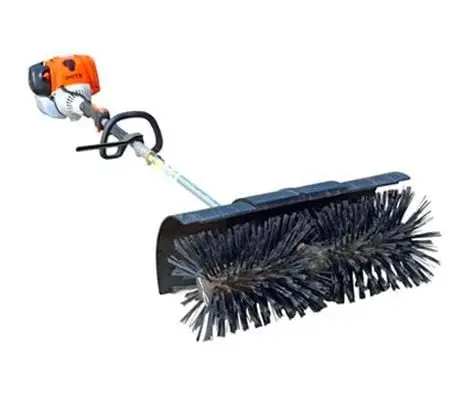
Handheld turf brush designed for maintaining artificial grass, featuring a powerful motor and bristle attachment for effective lawn care.

How to Clean Artificial Turf: Complete Guide for Perfect Maintenance

Why is it important to clean artificial turf regularly?

Keeping your artificial turf clean not only enhances its appearance but also extends its lifespan and artificial turfbroom. Unlike natural grass, artificial turf does not decompose, which means that debris, dust, and dirt can accumulate over time. This buildup can negatively impact aesthetics and the functionality of the turf, making it less comfortable to walk and use. Moreover, dirty artificial turf can attract pests and become a breeding ground for bacteria.

Regular maintenance of artificial turf helps prevent these issues. Keeping it clean ensures it is always ready for use, whether for play, relaxation, or entertaining guests. Cleaning also helps maintain the density and shine of the turf, contributing to a more natural and pleasant look.

Essential Tools to Keep Your Artificial Turf Spotless

One of the most important tools for keeping artificial turf clean is the artificial turf broom. This broom is specifically designed for such surfaces, with bristles that are stiff enough to lift dirt and debris but gentle enough not to damage synthetic fibers.

Compared to a traditional brush, an artificial turf broom offers certain advantages. The bristles are spaced appropriately to avoid flattening the grass fibers and can reach deep areas where dirt accumulates. There are also mechanical brushes that can be useful for larger areas, providing faster and more uniform cleaning. In contrast, synthetic grass rakes are useful for removing large leaves and other debris without damaging the surface.

How to Clean Artificial Turf: Recommended Methods and Products

For regular cleaning, soapy water is a commonly recommended option. However, if you want something more effective, using a neutral antibacterial detergent is an excellent alternative. These products are specifically designed to disinfect and sanitize artificial turf. In addition to cleaning, they eliminate bacteria and other microorganisms that may be present, especially in areas where children or pets play.

In my experience, I have found that a neutral antibacterial detergent is superior to soapy water because it not only cleans but also disinfects the artificial turf, leaving a fresh and safe feeling. These products are usually easy to apply and can be combined with a broom for deeper cleaning.

Step-by-Step for Deep Cleaning Artificial Turf

  1. Preparation: Before starting, it is important to remove any large debris, such as leaves, branches, or papers, that may be on the turf surface. An artificial turf broom or synthetic grass rake is ideal for this task.
  2. Regular Cleaning vs. Deep Cleaning:
    • Regular Cleaning: Use a mixture of water and mild soap to rinse the turf. This method is ideal for a quick cleaning that removes surface dust and dirt.
    • Deep Cleaning: Apply a neutral antibacterial detergent using a hose with an adjustable nozzle. Allow the product to sit for a few minutes to ensure complete disinfection. Then, use an artificial turf broom to gently scrub and lift embedded dirt.
  3. Final Rinse: After applying the detergent, thoroughly rinse the turf with clean water to remove any product residue and dirt. This will help keep the turf fibers in optimal condition.

Additional Tips for Artificial Turf Maintenance

  • Removing Stains and Tough Residues: For tough stains like beverages or food, use a mixture of vinegar and water in a 1:1 ratio. Apply directly to the stain and scrub with a soft cloth or sponge.
  • Preventive Maintenance: To avoid dirt buildup, sweep the turf regularly with a specific broom and perform a deep cleaning at least once a month. Avoid leaving heavy objects on the surface for long periods, as they can flatten the turf fibers.

Frequently Asked Questions about Artificial Turf Care

  • How often should I clean my artificial turf?
    Ideally, do a light cleaning every week and a deep cleaning at least once a month, depending on use and exposure to environmental factors such as dust or rain.
  • What is the best tool to clean synthetic grass?
    An artificial turf broom is the most recommended tool. Its special bristles are gentle but effective at lifting dirt without damaging the fibers.

Benefits of Using Neutral Antibacterial Detergents on Artificial Turf

Using a neutral antibacterial detergent not only ensures a deeper clean but also protects against bacteria and other microorganisms. This is particularly useful in gardens with pets or where children play, as it helps prevent infections and keeps the area safer and healthier. Additionally, these detergents do not damage the turf fibers and help maintain its color and texture for longer.

Conclusion

Maintaining artificial turf is essential to extend its lifespan and keep it in optimal condition. With the proper use of tools such as an artificial turf broom and specific products like neutral antibacterial detergents, it is possible to keep the turf clean, safe, and attractive for many years. By following these tips, you will enjoy an impeccable synthetic lawn, always ready for any outdoor activity or gathering.
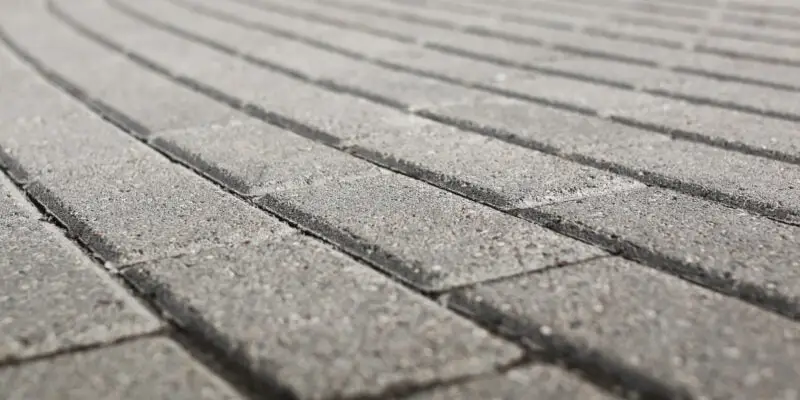
Close-up view of textured concrete pavers arranged in a curved pattern, showcasing durability and design for outdoor paving applications.

Boynton Beach Pavers Installers: Transforming Outdoor Spaces with Style and Durability

Why Choose Boynton Beach Pavers Installers ?
When it comes to renovating outdoor spaces like patios, driveways, or walkways, pavers are a popular choice in Boynton Beach Pavers Installers. They not only offer an attractive look but also add value and durability to any property. Opting for specialized local a job well done, with a deep understanding of the specific terrain and climate of Boynton Beach. Additionally, having nearby experts means quick and personalized attention, which is crucial for outdoor projects.

Benefits of Paver Installation in Boynton Beach
Pavers offer multiple benefits for any outdoor project. Their durability is remarkable, withstanding constant traffic and weather conditions without losing shape or color. Moreover, pavers are a sustainable solution since they can be reused and easily repaired. In Boynton Beach, where sun and humidity are key factors, pavers provide a slip-resistant and wear-resistant surface. And let’s not forget the visual impact: with a wide variety of colors, textures, and shapes, pavers allow you to customize any outdoor space according to the owner’s taste and style.

Types of Pavers Available for Your Project
There are several types of pavers that can be used to create different effects in your outdoor space. Brick pavers are classic and provide a traditional style, while natural stone pavers, such as granite or slate, offer a more rustic and elegant look. Concrete pavers, on the other hand, are very versatile and allow for a wide range of colors and textures, ideal for custom designs. Choosing the right material will depend on the use of the space, local weather conditions, and, of course, the style you want to achieve.

Paver Installation Process: Step by Step
Paver installation may seem challenging, but with the right approach and good planning, it is an accessible projectfor both novice homeowners and experienced installers. The key is to prepare a solid base.

  1. Site Preparation: The installation area should be cleared, removing all vegetation and loose materials.
  2. Excavation: Excavate the area to an appropriate depth (usually 6 to 8 inches) to allow for the base placement.
  3. Gravel Base: Lay a layer of gravel and compact it well to ensure good drainage and stability.
  4. Paver Placement: Start placing the pavers in the desired pattern, making sure to keep the level with the help of a string or guide line.
  5. Compaction and Sealing: Once installed, compact the pavers to secure them in place and apply a layer of sand or sealer to keep them firm.

This process ensures that the pavers remain stable and durable, withstanding continuous use and the weather conditions of Boynton Beach.

How to Choose the Best Paver Installers in Boynton Beach
Finding the right installer is key to a successful project. Look for companies that offer solid references and show examples of previous projects. Check if they are certified and have specific experience in paver installation in the Boynton Beach area. It is important that installers offer a warranty on their work and use high-quality materials, ensuring the durability of the pavers.

Frequently Asked Questions About Paver Installation

  • How long does paver installation take? It depends on the size of the project, but it usually takes between 2 to 5 days.
  • What maintenance do pavers require? Pavers are relatively easy to maintain. They require occasional cleaning and, in some cases, the application of a sealer to protect their color and structure.
  • What is the average cost of installation? The cost varies depending on the type of paver, the complexity of the design, and the area to be covered, but it generally ranges from $10 to $20 per square foot.

Maintaining Your Pavers in Boynton Beach
To ensure that your pavers remain in perfect condition over time, it is essential to perform proper maintenance. Regularly sweep the surface to remove leaves and debris. For tough stains, like those caused by oil or grease, use paver-specific cleaners. Consider applying a sealer once a year to protect the pavers from moisture and stains, especially in areas with heavy traffic or sun exposure.

Customer Testimonials and Completed Projects in Boynton Beach
Numerous clients in Boynton Beach have transformed their outdoor spaces with the help of local paver installers. From cozy patios to impressive driveways, each project highlights how the right choice of material and an expert installer can completely change the look of a property.

Conclusion: Transforming Spaces with Paver Installers in Boynton Beach
Opting for paver installation in Boynton Beach is an excellent decision to enhance the functionality and aesthetics of any outdoor space. Whether for a walkway patio, or driveway, pavers offer durability, style, and added value. By choosing experienced local installers, you can be confident that the result will be long-lasting and satisfying. Don’t hesitate to contact an expert today to start your project.

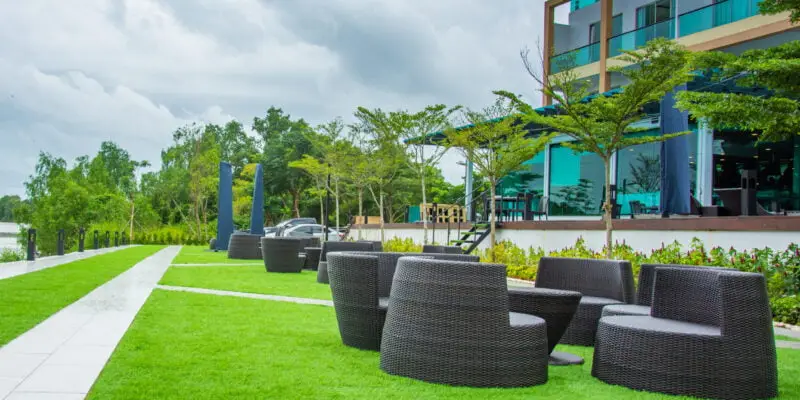
Outdoor seating area with modern wicker chairs on lush green grass, enhancing the inviting atmosphere of the resort landscape.

Artificial Grass Installers in Boynton Beach: Everything You Need to Know

Boynton Beach Artificial Grass Installers

Artificial grass has become a popular choice for many homeowners in Boynton Beach artificial grass installers looking for an aesthetically pleasing, durable, and low-maintenance solution for their gardens and outdoor spaces. From residential installations to commercial projects, choosing the right installer is key to ensuring the grass looks natural, is long-lasting, and stays in good condition for years. This article will guide you through the benefits of artificial grass, its use as a thermal insulator, and help you choose the best installer in the area.

Benefits of Artificial Grass for Properties in Boynton Beach

Durability and Low Maintenance

One of the main reasons many in Boynton Beach choose artificial grass is its durability and low maintenance. Unlike natural grass, which requires constant watering, mowing, and chemical treatments to stay green, artificial grass remains vibrant and attractive without intensive care. This feature makes it an ideal choice for homeowners who want to enjoy a beautiful garden without investing time and money in its upkeep.

Resistance to Local Climate

Boynton Beach is known for its warm and humid climate, with periods of heavy rain and extreme heat. Artificial grass is resistant to these climatic challenges, thanks to its design and materials that withstand both prolonged sun exposure and heavy rainfall. Additionally, many types of artificial grass are made with UV-resistant materials, preventing premature fading and wear.

Long-lasting Aesthetic Appeal

Artificial grass offers a visually appealing look year-round. There’s no need to worry about brown spots, weeds, or dry patches that can appear with natural grass. Artificial grass installers in Boynton Beach use high-quality products that mimic the texture and color of real grass, providing a fresh, green appearance in any season.

Is Artificial Grass a Good Solution as a Thermal Insulator?

Thermal Properties of Artificial Grass

A common question among homeowners is whether artificial grass can function as an effective thermal insulator. Thanks to the advanced technologies used in its manufacture, artificial grass can act as a moderate barrier against heat. Although it does not replace conventional insulation systems, it helps reduce heat absorption on hard surfaces, keeping areas like patios or rooftops cooler.

Benefits of Using It as an Insulator in Warm Climates

In high-temperature locations like Boynton Beach, artificial grass can contribute to better thermal regulation of outdoor surfaces. Modern materials used in artificial grass are designed to reflect UV rays, reducing the heat retained compared to other surfaces like concrete or asphalt. Additionally, some artificial grass installations include a layer of infill that provides additional cooling properties.

How to Choose the Best Artificial Grass Installer in Boynton Beach

Factors to Consider: Experience, Materials, and Warranty

Choosing the right artificial grass installer is essential to ensure a high-quality and long-lasting installation. Key factors to consider include the installer’s experience, the materials they use, and the warranties they offer. Installers experienced in the Boynton Beach area will be familiar with local conditions and can recommend the best products to withstand the climate.

Key Questions to Ask Installers

Before hiring an installer, be sure to ask about the types of artificial grass they use, their experience with similar installations, and whether they offer a warranty on the work and materials. It’s also important to know if the installer handles post-installation maintenance, such as cleaning and care of the grass.

Success Stories of Artificial Grass Installation in Boynton Beach

Testimonials and Reviews from Satisfied Customers

Many customers in Boynton Beach have seen a remarkable transformation of their properties following the installation of artificial grass. For example, a local family mentioned that installing artificial grass not only improved the aesthetic of their garden but also reduced their water bill and eliminated the need for pesticides.

Examples of Outstanding Projects in the Area

Successful projects in Boynton Beach include installing artificial grass in commercial areas, residential backyards, and local parks. These projects stand out for their impeccable finish, resistance to extreme weather conditions, and their natural, attractive appearance.

Maintenance of Artificial Grass: Practical Tips for Boynton Beach

Cleaning, Drainage, and Weather Protection

To keep artificial grass in its best condition, it’s crucial to follow some simple maintenance practices. Regular cleaning with a hose to remove dust and dirt, as well as a good drainage system, will prevent water accumulation and extend the life of the grass. Additionally, it’s advisable to periodically inspect the installation to ensure no damage is caused by external factors.

Recommendations for Prolonging the Life of Artificial Grass

To maintain artificial grass in optimal condition, avoid using harsh chemicals and regularly remove leaves and other debris. It’s also important to avoid sources of extreme heat, such as grills or fire pits, that could damage the grass fibers.

Safety Considerations and Local Regulations

Fire-Resistant and Antibacterial Properties of Artificial Grass

Modern artificial grass comes with fire-resistant and antibacterial properties that make it safe and suitable for both residential and commercial use. These treatments not only help prevent fire spread but also keep the surface clean and free of bacteria, which is especially important in warm and humid climates like Boynton Beach.

Local Regulations in Boynton Beach for Artificial Grass Installations

Before proceeding with installation, it’s important to know the local regulations in Boynton Beach. Some communities may have specific restrictions regarding the use of artificial grass in public or private spaces, so always check the rules before starting your project.

Conclusion: Why Choose Artificial Grass in Boynton Beach?

Opting for artificial grass in Boynton Beach offers numerous benefits, from long-lasting aesthetics and low maintenance to its ability to act as a thermal insulator and its resistance to the local climate. By choosing the right installer, you can ensure that your artificial grass not only enhances the look of your property but also provides years of hassle-free satisfaction.

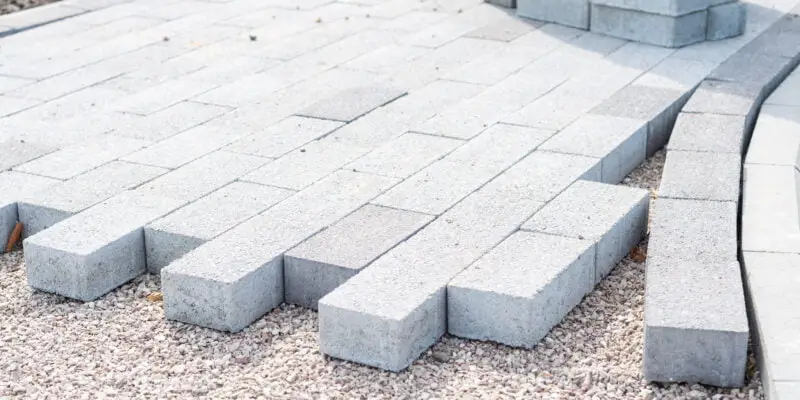
Gray brick pavers arranged on a gravel surface, showcasing a decorative pavement design for outdoor spaces, relevant to LA Turf & Paver's landscaping services.

Complete Guide to Paver Installation in Delray Beach: Tips and Key Steps

Paver installation in Delray Beach is one of the most effective ways to transform an outdoor space. Whether it’s for walkways, driveways, or patios, pavers offer an attractive aesthetic, durability, and relatively easy maintenance. This guide will walk you through the steps for a successful installation and everything you need to know to enhance your space with high-quality pavers.

Tools and Materials Needed for Paver Installation

Before starting the installation, it’s essential to have the right tools and materials. This ensures a more efficient process and durable results. Basic materials include pavers, base sand, joint sand, and edge restraints. You’ll also need tools such as a compactor, level, measuring tape, rubber mallet, and a saw to cut pavers if needed.

One of the initial steps is to prepare the work area carefully. It is recommended to use boards or planks for the installer’s support and wheelbarrow circulation. These improvised paths protect the already placed and compacted pavers, preventing unwanted shifts during installation.

Site Preparation: A Key Step for Lasting Results

Preparing the ground is crucial to ensure the pavers remain stable and level over time. Start by marking the area to be paved and digging to a depth that allows for the base sand and pavers. Generally, a depth of 6 to 8 inches is recommended to create a solid base.

Once excavated, compact the soil to prevent future sinking. Then, lay a layer of gravel and compact again. This process provides adequate drainage and a stable base for the pavers. Add a layer of coarse sand and level it carefully using a rake and a level. This layer is essential for the pavers to sit evenly.

Placing the Pavers: Tips for a Perfect Installation

Placing the pavers is where the project begins to take shape. Start by setting a longitudinal string line down the center of the area and add cross strings every 5 meters to maintain alignment. This will guide you and ensure the pavers are laid in straight and even lines.

Begin laying pavers from one corner and continue following the desired pattern, whether it’s herringbone, basketweave, or any other design. It’s essential to maintain a uniform space between each paver for the joint sand. Use a rubber mallet to adjust each paver into position and make sure they are level.

Compaction and Leveling: Securing the Stability of Your Pavers

Once the pavers are placed, the next step is to compact them to ensure they settle properly and do not shift over time. Use a compactor to gently pass over the entire surface. This also helps push the base sand down, providing more stability.

After the initial compaction, spread fine sand over the pavers and use a broom to fill the joints. Then, run the compactor again to ensure the sand penetrates well between the pavers, reinforcing the bond. Repeat this process until the joints are completely filled and the pavers feel firm.

Caring for and Maintaining Installed Pavers

Proper maintenance of pavers ensures their appearance and functionality over the long term. Although pavers are resilient, they can shift or stain if not properly cared for. Regularly sweep the surface and clean stains with water and mild detergent to keep them in good condition.

Applying protective sealers is recommended to prevent deep stains and reduce wear from weather and traffic. Regularly inspect the joints and refill them with sand if you notice they have emptied or if some pavers have shifted. Keeping the joints filled is crucial to prevent weed growth and maintain the pavement’s stability.

Common Mistakes in Paver Installation and How to Avoid Them

One of the most common mistakes in paver installation is not properly preparing the ground, which can lead to sinking or shifting. Another error is not using enough guide lines (strings) during installation, resulting in uneven alignment of the pavers.

Insufficient compaction is also a frequent issue. Without proper compaction, the pavers may move or sink over time. Always ensure to compact both the base and the pavers well to prevent these problems and prolong the pavement’s lifespan.

Benefits of Hiring Professionals in Delray Beach for Paver Installation

Hiring professionals for paver installation in Delray Beach can make the difference between a satisfactory project and one full of issues. Experts not only have the necessary experience to handle each stage of the process but also have access to the best tools and materials.

Professional installers ensure that pavers are placed correctly, reducing the risk of errors and ensuring a durable and attractive installation. Additionally, having professionals handle the job allows you to enjoy your new space without worrying about technical details or initial maintenance.

Conclusion: Enhance Your Outdoor Space with High-Quality Pavers

Paver installation in Delray Beach is an excellent way to add value and beauty to your property. By following the correct steps and paying attention to the details of preparation, placement, and maintenance, you can enjoy an attractive and durable pavement. While it is possible to do the job yourself, considering professional help can save you time, effort, and ensure an impeccable result. Transform your outdoor space today and enjoy the durability and elegance of pavers!

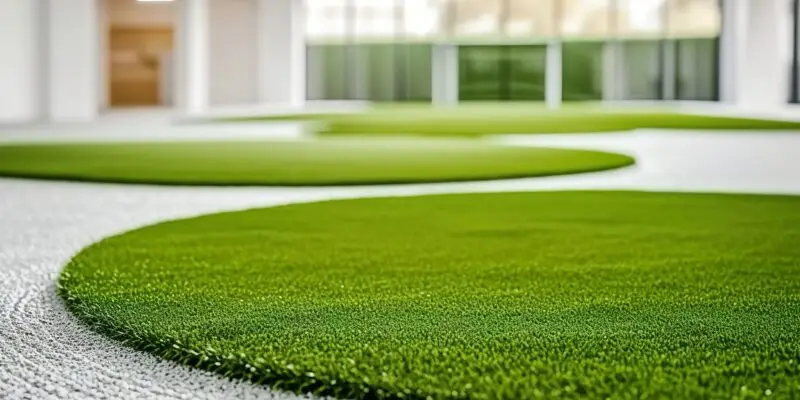
Artificial grass installation showcasing vibrant green turf in a modern indoor setting with curved patterns and smooth transitions, highlighting low-maintenance landscaping solutions.

Artificial Grass Installation in Delray Beach: Benefits, Tips, and Expert Guide.

Benefits of Installing Artificial Grass in Delray Beach

Artificial grass installationin Delray Beach has become a growing trend, thanks to its ability to transform any outdoor space into a lush, low-maintenance oasis. Whether for gardens, terraces, or even indoor areas, this option offers an impeccable and durable aesthetic. In this article, we will explore the multiple benefits of artificial grass, the best places to install it, and how it can completely change the appearance of your home.

Why Choose Artificial Grass? An Eco-Friendly, Low-Maintenance Solution

Artificial grass is much more than an alternative to natural grass. With its ecological benefits, low maintenance, and durability, it has become the preferred choice for those seeking a green solution without the hassles of constant watering and mowing.

Choosing artificial grass means less water usage, no pesticides, and a significant reduction in the time and money spent on maintenance. It is also a perfect solution for climates like Delray Beach, where the heat can quickly dry out natural grass. With artificial grass, your lawn will always look vibrant and well-kept, regardless of the weather.

Types of Surfaces Where You Can Install Artificial Grass: Beyond the Lawn

When we think of artificial grass, the first image that comes to mind is a pristine garden or a lush terrace. However, its versatility goes far beyond that. Artificial grass can also be installed on vertical surfaces, such as walls, to create a unique and different environment. Imagine a green wall in your backyard or a corner of your living room covered with grass, transforming the space into an impressive focal point.

This feature makes it ideal not only for homes but also for businesses looking to stand out with innovative designs. I have seen how artificial grass on walls completely changes an environment, bringing a fresh and modern feel that surprises all visitors. There are no limits to creativity when it comes to this material.

Benefits of Installing Artificial Grass in Delray Beach: Style, Functionality, and Savings

The benefits of artificial grass are varied and significant, especially in Delray Beach, where the sun and humidity can severely affect natural grass. Among the advantages are:

  • Consistent Aesthetics: Always green, with no dry patches or discolored areas.
  • Reduced Maintenance: No need for mowing, watering, or fertilizing.
  • Durability: Resistant to fading, heavy use, and extreme weather conditions.
  • Eco-Friendly: Saves water and reduces the use of chemicals.
  • Pet and Kid Friendly: Soft and safe for play, without the risk of mud or insects.

Moreover, thanks to advanced technology, today’s artificial grass perfectly mimics the appearance and texture of natural grass, making it hard to tell the difference at first glance.

Step-by-Step: How is Artificial Grass Installed?

Installing artificial grass in Delray Beach can be a DIY project or done by professionals, depending on your experience level and the specifics of the area. Here’s a summary of the basic steps:

  1. Site Preparation: Natural grass is removed, and the surface is leveled. It’s crucial to ensure the area is free of debris and roots.
  2. Placement of Gravel Base: This helps with proper drainage and prevents water pooling.
  3. Installation of a Compacted Sand Layer: Provides stability and prevents the grass from deforming.
  4. Laying the Artificial Grass: The grass is spread over the base and trimmed to fit perfectly in the area.
  5. Securing Edges and Seams: Secured with nails or special glue to keep everything in place.
  6. Brushing and Sanding: The grass is brushed to lift the fibers, and sand is added for weight and stability.

Personal Note: Although these steps are simple, I always recommend hiring professionals to ensure a perfect and long-lasting installation, especially in complex or large areas.

Care and Maintenance of Artificial Grass: Virtually Effortless!

One of the biggest attractions of artificial grassis its low maintenance. Unlike natural grass, it does not require regular watering, fertilizers, or pest control. To keep it in optimal condition, just follow these simple tips:

  • Regular Brushing: Helps keep the fibers upright and redistribute the infill sand.
  • Occasional Washing: A hose is enough to remove dust, leaves, and any surface dirt.
  • Leaf and Debris Removal: Use a leaf blower to clean the area without damaging the grass.

Artificial Grass on Walls: Add a Unique and Modern Touch to Your Spaces

Artificial grass doesn’t just belong on the ground. Grass-covered walls are becoming increasingly popular for those looking to innovate in their space design. This use is ideal for interior patios, balconies, and as a decorative backdrop in entertainment areas.

Personally, I love seeing how this type of wall installation gives a different and elegant touch to any environment.A fresh and modern option that turns any space into something worth admiring.

Comparison: Professional vs. DIY Artificial Grass Installation

While artificial grass installation can be a DIY project for those who enjoy hands-on work, there are clear benefits to hiring a professional. Experienced installers ensure a proper base, correct drainage, and flawless finishing. Additionally, specialized companies offer quality guarantees that ensure the product’s longevity.

On the other hand, opting for a DIY installation can be a more affordable and satisfying choice for those who enjoy working on their own projects, as long as the steps are followed correctly and the right materials are used.

Frequently Asked Questions About Artificial Grass Installation in Delray Beach

  • Does artificial grass get too hot in the sun?
    Some types of grass can heat up in warm climates, but there are options with cooling technology that significantly reduce this sensation.
  • Is it safe for pets?
    Yes, artificial grass is safe for pets and easy to clean. Many types are specifically designed to withstand pet use.
  • How long does artificial grass last?
    With proper maintenance, artificial grass can last between 10 and 20 years, depending on the material quality and sun exposure.

Conclusion: Enhance Your Home with Artificial Grass and Enjoy a More Sustainable Lifestyle

Installing artificial grass in Delray Beach not only enhances your home’s aesthetics but also offers a sustainable, maintenance-free solution. Whether in gardens, terraces, or even walls, this option will allow you to enjoy a green space all year round without the problems associated with natural grass. Explore the possibilities and transform your environment with artificial grass. Your home and lifestyle will thank you!

Artificial turf

Complete Guide to Artificial Grass Installation in Lantana: Benefits, Costs, and Practical Tips

Why Choose Artificial Grass in Lantana?

Artificial Grass Installation in Lantana is a decision more and more homeowners and businesses are making. With the heat and lack of rainfall in this region, maintaining natural grass can be costly and challenging. Artificial grass offers a practical, aesthetic, and sustainable solution without the need for constant watering, regular mowing, or treatments with fertilizers and pesticides. Whether you’re looking to renovate your garden, create a safe play area for kids, or simply reduce maintenance, artificial grass is an excellent option.

2. Benefits of Artificial Grass: Savings, Aesthetics, and Low Maintenance

The benefits of artificial grass go beyond just appearance. This type of turf stays green and fresh all year round, regardless of weather conditions. Additionally, installing artificial grass in Lantana can help you save time and money on maintenance. Below are some of the main benefits:

  • Water Savings: Without the need for constant watering, you help conserve this valuable resource and significantly reduce your water bill.
  • Low Maintenance: Forget about mowing, fertilizing, or worrying about pests. Artificial grass requires minimal maintenance to stay in perfect condition.
  • Durability: Designed to withstand heavy traffic and harsh weather conditions, artificial grass is resilient and has a long lifespan.
  • Permanent Aesthetic Appeal: Keep your garden pristine all year, regardless of the season. Artificial grass doesn’t dry out, doesn’t burn, and always looks perfect.
  • Pet and Kid-Friendly: It’s a safe option for spaces where kids and pets play, offering a soft surface without harmful chemicals.

3. Step-by-Step Guide to Installing Artificial Grass in Lantana

Installing artificial grass may seem like an intimidating project, but with the right guide, it’s a process anyone can follow. Here are the basic steps for a successful installation:

  1. Preparing the Ground: Remove any natural grass, weeds, and debris. It’s essential to thoroughly clean the area and level the ground to avoid irregularities in the final surface.
  2. Laying the Weed Barrier: Once the ground is prepared, place a weed barrier to prevent weed growth and ensure proper drainage. This step is crucial for the durability and aesthetics of the artificial grass.
  3. Measuring the Area: Measure the perimeter of the area where the grass will be installed. This step will help you calculate how much material you need and avoid unnecessary cuts.
  4. Cutting the Artificial Grass:Once the ground is covered with the weed barrier, the next step is to measure the perimeter accurately. This is essential before cutting the artificial grass. Using a sharp utility knife or scissors, make the necessary cuts, ensuring you follow straight lines for a perfect fit.
  5. Securing the Grass: Place the artificial grass over the barrier and adjust it according to the measurements. Use nails or staples to secure the grass to the ground, paying attention to the seams to keep them invisible.
  6. Filling and Brushing: Add silica sand or rubber granules to add weight and stability to the grass. Brush the surface to lift the fibers and achieve a natural finish.

4. How to Cut and Adjust Artificial Grass Properly

Cutting artificial grass is one of the most delicate parts of theinstallation process. A wrong cut can ruin the final look or leave visible gaps that spoil the professional finish. Here’s how to do it precisely:

  • Tools Needed: You’ll need a sharp utility knife or special scissors for artificial grass, a measuring tape, and safety gloves.
  • Accurate Measurements: Measure multiple times before cutting. It’s better to cut a little more than needed and then adjust rather than cut too much and not be able to fix it.
  • Straight and Precise Cuts: Place the grass on a flat surface and make the cuts slowly. Use a ruler or a straight board as a guide to ensure the cuts are perfect.
  • Edge and Seam Adjustment: When joining two pieces, make sure the fibers are aligned in the same direction so the seam is invisible.

5. Common Mistakes When Installing Artificial Grass and How to Avoid Them

Even the most well-planned projects can face unexpected challenges. Here are some common mistakes and how to avoid them:

  • Not Leveling the Ground Properly: An uneven surface can cause the grass to warp or form bumps. Make sure to level thoroughly before installation.
  • Visible Seams: Cutting the grass imprecisely can make seams visible. Be sure to align the pieces correctly and use specialized seam tape.
  • Incorrect Securing: Not securing the edges well can cause the grass to lift over time. Use the appropriate nails and reinforce corners and high-traffic areas.

6. Maintenance of Artificial Grass: Tips for Optimal Care

While artificial grass requires minimal maintenance, a few basic care steps can extend its lifespan and keep it looking new:

  • Regular Brushing: Occasionally brush the grass to lift the fibers and maintain its lush appearance.
  • Remove Debris: Remove leaves, branches, and other debris that may accumulate on the surface with a broom or blower.
  • Occasional Washing: Rinse the grass with water to remove dust and dirt. For stubborn stains, use a mild mix of water and detergent.

7. Costs of Artificial Grass Installation in Lantana: What You Need to Know

The cost of installation can vary depending on the type of grass chosen, the complexity of the terrain, and whether you choose to hire a professional or do it yourself. Here are some factors to consider:

  • Material Cost: The price of artificial grass varies according to quality, fiber density, and finish. There are budget options, but it’s recommended to invest in high-quality grass that looks more natural and lasts longer.
  • Labor Costs: If you hire professionals, the cost will include ground preparation, installation, and additional necessary materials.
  • DIY vs. Professional: Doing it yourself can save you money, but it also requires time and some skill. Hiring a professional ensures a perfect finish and reduces the margin for error.

8. Conclusion: Transform Your Space with Artificial Grass in Lantana

Installing artificial grass in Lantana not only transforms the look of your outdoor space but also provides comfort and long-term savings. With minimal maintenance and an impeccable appearance, it’s an investment worth making. Whether you opt to do it yourself or hire an expert, by following the right steps and avoiding common mistakes, you can enjoy a lush, green lawn that’s ready for any activity.

Artificial Grass Installation in Hypoluxo: Comprehensive Guide and Benefits

Why Choose Artificial Grass in Hypoluxo?

Artificial grass has become a popular option for artificial grass installation in Hypoluxo, residents looking for a low-maintenance solution for their lawns. This type of grass not only offers a green and fresh appearance year-round, but it also eliminates the need for constant watering, which is especially beneficial in areas where the weather can be unpredictable. Additionally, with proper installation, artificial grass can withstand harsh weather conditions and frequent use, making it a long-lasting investment for any home.

The growing demand for artificial grass in Hypoluxo is also due to its versatility. It can be installed on different types of terrain, from small patios to large play areas, and is ideal for those who want an eco-friendly option without compromising the aesthetics of their outdoor space.

Benefits of Artificial Grass Installation in Hypoluxo

Opting for artificial grass in Hypoluxo comes with a range of benefits beyond just appearance. First and foremost, one of the biggest draws is water savings. With artificial grass, you can say goodbye to constant watering and high water bills, which not only eases your wallet but also contributes to conserving this valuable natural resource.

Additionally, artificial grass reduces the need for pesticides and fertilizers, making it a safer option for homes with children and pets. This type ofgrass is pest-resistant, meaning you won’t have to worry about infestations that could damage your lawn. Best of all, artificial grass maintains its perfect appearance regardless of the season, enduring the scorching summer sun and heavy rains.

Durability and Maintenance of Artificial Grass

One of the most important aspects to consider when choosing artificial grass is its durability. High-quality artificial grass comes with a manufacturer’s warranty of around 15 years. However, the grass’s lifespan can extend even further with proper care and maintenance. The frequency of use is a key factor; however, even in high-traffic areas, artificial grass designed with durable materials like polyethylene and nylon can remain in excellent condition for many years.

Maintaining artificial grass is relatively simple. Unlike natural grass, you won’t need to worry about regular mowing, watering, or weed control. Occasional brushing to keep the fibers upright and removing leaves or other debris is all that’s needed to keep your artificial grass in top condition. It’s also recommended to rinse the grass with water from time to time to remove dust and maintain its vibrant color.

Steps for Professional Artificial Grass Installation

Installing artificial grass in Hypoluxo requires a meticulous process to ensure a long-lasting and high-quality result. Here are the key steps that professionals typically follow:

  1. Preparing the Ground: The first step is to clear the area where the grass will be installed, removing any existing vegetation, rocks, and debris. The ground is then leveled to ensure a uniform surface.
  2. Base Installation: A base layer, usually composed of sand or gravel, is laid down to provide good drainage and a solid surface for the grass. This base is compacted to ensure it is well settled.
  3. Laying the Grass: Once the base is ready, the artificial grass is unrolled over the prepared surface. It is trimmed to fit the dimensions of the area and secured with stakes or adhesive.
  4. Infill and Brushing: A layer of infill, such as silica sand or rubber granules, is applied to help keep the grass fibers upright and enhance durability. Finally, the grass is brushed to evenly distribute the infill and give it a finished look.

This process may seem simple, but it requires precision and experience to avoid issues such as wrinkles or poor leveling, which could affect both the appearance and functionality of the artificial grass.

Comparing Artificial Grass Providers in Hypoluxo

When it comes to choosing an artificial grass provider in Hypoluxo, it’s important to consider several factors, such as product quality, cost, and previous installation experience. The top providers in the area offer a wide range of products that vary in texture, color, and levels of durability, catering to different needs and budgets.

Thumbtack, for example, makes it easy to connect with local installers, allowing you to compare reviews and prices before making a decision. All Star Pros focuses on offering a full service, from selecting the grass to installation and post-installation maintenance. On the other hand, Home Blue stands out by providing detailed comparisons between different contractors, helping you find the best value for money.

It’s advisable to request grass samples and review previous projects to ensure that the selected provider meets your expectations.

How to Choose the Best Artificial Grass for Your Home

Choosing the right artificial grass for your home in Hypoluxo depends on several factors, such as intended use, climate, and budget. Here are some tips to help you make your decision:

  1. Consider the Grass Density and Height: If you plan to install grass in a high-traffic area, like a play zone, opt for grass with higher density and shorter fiber height for greater durability.
  2. Check the Material Quality: The best artificial grasses are made of polyethylene or nylon, materials known for their resistance and ability to maintain their shape and color.
  3. Choose the Right Color: Artificial grass is available in various shades of green. For a more natural look, select a color that mimics the real grass in your region.
  4. Review Warranties: Good artificial grass should come with a warranty that covers fading and wear. This is crucial to ensure your investment is protected in the long term.

Success Stories of Artificial Grass Installation in Hypoluxo

In Hypoluxo, numerous homeowners have opted for artificial grass installation and have been satisfied with the results. For example, at a local residence, the homeowner decided to replace their natural grass with artificial turf due to constant flooding that damaged the natural grass. After the installation, they not only resolved the drainage issue but also noticed a significant reduction in water bills and the time spent maintaining the lawn.

Another success story involved a family that transformed their backyard into a safe play area for their children. The installed artificial grass is not only soft to the touch but also withstands the wear and tear of daily use, allowing the children to play year-round without worrying about mud or grass stains.

Frequently Asked Questions About Artificial Grass Installation in Hypoluxo

How long does artificial grass last? Artificial grass can last up to 15 years or more with proper care. The lifespan depends on the material quality and how frequently it is used.

Is it necessary to water artificial grass? It’s not necessary to water artificial grass, although it is recommended to rinse it occasionally to keep it clean and fresh.

Does artificial grass get too hot in the sun? Artificial grass can get warm under direct sunlight, but there are options with cooling technology that mitigate this effect. Additionally, a superficial irrigation system can be installed to cool the surface on very hot days.

Is it safe for pets? Yes, artificial grass is safe for pets. In fact, it’s a popular choice among pet owners because it’s easy to clean and resistant to damage.

Paver installer services

Transform Your Space with Paver Installation in Ocean Ridge: Complete Guide

Introduction to Paver Installation in Ocean Ridge

Pavers are one of the oldest construction materials still in use today, and although many alternatives have emerged, they remain a popular choice for driveways, patios, and Paver Installation in Ocean Ridge. Their durability, versatility, and the aesthetic value they add to properties make them an excellent choice for those looking to enhance their home or business. In Ocean Ridge, paver installation is a growing trend, offering both beauty and functionality to outdoor spaces.

Benefits of Pavers for Driveways and Patios

One of the greatest advantages of pavers is their durability. These materials, especially concrete pavers, are designed to withstand heavy traffic and harsh weather conditions. Additionally, they add an aesthetic touch that can significantly increase a property’s value.

Another key advantage is sustainability. Today, many pavers are made from recycled materials, which not only reduces environmental impact but also offers a more eco-friendly alternative compared to other paving materials. While there are more modern and durable options, pavers continue to be a preferred choice for those who value both aesthetics and longevity.

Types of Pavers Available for Installation

In the Ocean Ridge market, concrete pavers are the most common due to their strength and ease of maintenance. However, there is also growing demand for pavers made from recycled materials, which offer a more sustainable solution.

When compared to other materials like asphalt or poured concrete, pavers have the advantage of being modular, allowing for easier and more specific repairs. Additionally, their availability in a variety of colors and textures allows for greater customization in outdoor space design.

Paver Installation Process in Ocean Ridge

Paver installation requires careful site preparation to ensure a durable and quality finish. The first step is planning and designing the area, followed by excavating and leveling the ground. Next, a compacted gravel base is laid, followed by a layer of sand to set the pavers.

Once the pavers are in place, the joints are filled with polymeric sand to stabilize the installation and prevent weed growth. Finally, it is recommended to seal the pavers to protect them from stains and wear, which also makes long-term maintenance easier.

Choosing the Right Paver Contractor in Ocean Ridge

Selecting the right contractor is crucial to ensuring a high-quality installation that meets your expectations. In Ocean Ridge, it’s important to consider the contractor’s experience, review previous projects, and read testimonials from other clients.

Key questions to ask include their specific experience with paver installation in similar areas, the materials they recommend, and the warranties they offer. Also, make sure the contractor is familiar with local regulations and can handle the necessary permits for the project.

Innovations and Trends in Paver Installation

In recent years, paver installation techniqueshave evolved, incorporating technologies that enhance both durability and aesthetics. One emerging trend is the use of permeable pavers, which allow water infiltration, reducing the risk of flooding and promoting sustainability.

Eco-friendly options like pavers made from recycled plastic are also being adopted, offering a robust and durable alternative. These innovations not only benefit the environment but also allow homeowners in Ocean Ridge to stay at the forefront of design and functionality.

Care and Maintenance of Installed Pavers

Proper maintenance is essential to preserve the appearance and functionality of pavers. Regular cleaning is recommended to remove dirt and prevent weed buildup in the joints. Periodic sealing is also key to protecting pavers from stains and wear.

If a paver becomes damaged, the advantage of this material is that it can be replaced individually, simplifying repairs. This modular approach is one of the reasons why pavers remain a practical choice for paving.

Local Experiences: Paver Installation in Ocean Ridge

In Ocean Ridge, paver installation has been a popular solution for both residential and commercial properties. Over the years, pavers have proven to be a reliable and durable material, standing the test of time and local weather conditions. Although there are more practical and durable alternatives, as you mentioned, pavers continue to be a preferred choice due to their classic aesthetics and the value they add to properties.

Conclusion: Is It Worth Investing in Pavers in Ocean Ridge?

Investing in paver installation in Ocean Ridge not only enhances the aesthetics of outdoor spaces but also adds durability and long-term value. While there are more modern alternatives, pavers remain a robust and versatile option. Investing in quality installation ensures that the benefits far outweigh the initial cost, offering a paving solution that combines tradition, innovation, and sustainability.

artificial grass

Artificial Grass in Downtown Boynton Beach: The Ultimate Guide

Introduction to Artificial Grass in Downtown Boynton Beach

Artificial grass has become a popular option in Downtown Boynton Beach for those looking for a vibrant, green lawn without the constant care that natural grass requires. With its low maintenance and durability benefits, it is an ideal solution for those who want to enjoy a green space year-round without worrying about watering, mowing, or pests.

Benefits of Installing Artificial Grass

Opting for artificial grass in Downtown Boynton Beach offers numerous benefits, both aesthetic and functional. Firstly, this type of grass doesn’t require watering, which is ideal for areas looking to be more sustainable or simply reduce water costs. Additionally, it doesn’t need fertilizers or pesticides, making it a more eco-friendly and safe option for children and pets.

Another significant advantage is the time and effort saved. While natural grass requires regular mowing, reseeding, and weed control, artificial grass remains green and tidy with minimal maintenance.Brushing it occasionally to keep the fibers upright and cleaning it with soapy water is all that’s needed to keep it in perfect condition.

Step-by-Step Guide to Installing Artificial Grass

Installing artificial grass is a process that, although it may seem complicated at first, is quite straightforward if the correct steps are followed. Here’s a simple guide so you can install it yourself or know what to expect if you decide to hire a professional:

  1. Ground Preparation: Start by clearing the area of any existing vegetation and stones. Make sure to level the ground to avoid surface irregularities.
  2. Base Installation: Place a layer of gravel or crushed stone to facilitate drainage. Compact this base to create a firm and even surface.
  3. Laying the Grass: Roll out the artificial grass over the base, ensuring that the fibers are oriented in the same direction for a uniform appearance. Trim the edges as needed.
  4. Securing the Grass: Use garden nails or special adhesive to secure the grass in place. Make sure it’s well-stretched to avoid wrinkles.
  5. Applying Silica Sand: Spread silica sand over the grass to keep the fibers upright and improve drainage.
  6. Final Brushing: Brush the grass to keep the fibers upright and ensure the sand is evenly distributed.

Maintenance and Care of Artificial Grass

Artificial grass is famous for its low maintenance, but that doesn’t mean it requires no care at all. To keep it in the best condition, it’s recommended to perform certain maintenance tasks periodically:

  • Regular Brushing: Brushing the grass every few months helps keep the fibers upright and distribute the silica sand, preserving the natural look of the grass.
  • Cleaning with Soapy Water: If you notice dust or dirt buildup, simply use water with a bit of soap to clean the surface. This will keep the grass fresh and stain-free.
  • Drainage Inspection: After heavy rains, check that the drainage system is working correctly. If you notice water pooling, adjustments to the base may be necessary.

Comparison Between Natural Grass and Artificial Grass

When choosing between natural grass and artificial grass, several factors need to be considered:

  • Maintenance: Natural grass requires constant watering, fertilization, and regular mowing. In contrast, artificial grass only needs occasional brushing and basic cleaning.
  • Durability: While natural grass can wear out and dry up in warm climates, artificial grass maintains its green and fresh appearance all year round, regardless of the weather.
  • Cost: Although the initial installation of artificial grass may be more expensive, the long-term maintenance costs are significantly lower.

Where to Buy Artificial Grass in Downtown Boynton Beach

In Downtown Boynton Beach, you have several options for purchasing high-quality artificial grass, but LA Turf and Paver stands out as the leading supplier in the area. With a strong reputation in the market, LA Turf and Paver offers a wide variety of artificial grass products, suitable for both residential and commercial needs. Additionally, they provide complete services including installation and maintenance, ensuring your project is done perfectly from the start.

In addition to LA Turf and Paver, you can also find options at stores like Lowe’s, which offers different varieties of artificial grass, as well as on platforms like Estimates123.com, where you can get free quotes and compare prices and services.

HiringProfessionalInstallation Services

While installing artificial grass on your own is a viable option, hiring a professional can save you time and ensure the job is done correctly. Specialized companies, like those listed on Synthetic-grass.homeblue.com, offer comprehensive services that include ground preparation, installation, and post-installation maintenance.

Tips for Maximizing the Durability of Artificial Grass

To ensure your artificial grass lasts for many years, follow these tips:

  • Avoid Extreme Heat: While artificial grass is durable, extreme heat can cause the fibers to wear out prematurely. Consider installing awnings or shades in highly sunny areas.
  • Regular Cleaning: Although constant watering isn’t necessary, occasional cleaning with water will prevent dust and dirt buildup.
  • Avoid Sharp Objects: Like any other material, artificial grass can be damaged by sharp or pointed objects. Be sure to keep garden tools and other sharp items away from the surface.

Conclusion

Installing artificial grass in Downtown Boynton Beach is an excellent investment for those who want a green, easy-to-maintain lawn. With the right steps and a bit of care, your artificial grass will not only look great but will also last for many years. Whether you choose to install it yourself or hire a professional, the advantages of this type of grass make the investment worthwhile.

The Rise of Synthetic Lawn in Modern Landscaping

In a world where aesthetics, functionality, and sustainability have become central concerns, synthetic lawn has emerged as an innovative solution in outdoor space design. It is no longer just an alternative to natural grass; it has transformed into its own category, redefining what it means to have a green space. The growing demand for a green environment that retains its beauty and freshness year-round, without the need for constant maintenance and excessive resource use, has driven the development of high-quality synthetic lawns that combine the look and feel of nature with the durability and efficiency of modern materials.

Benefits of Synthetic Lawn: Beyond Aesthetics

Synthetic lawn not only offers a practical solution for those seeking a perfect green space without the endless chores of maintenance but also presents a range of benefits that go beyond simple appearance. One of the biggest advantages is the reduction in water consumption. In areas prone to drought or with water restrictions, synthetic lawn becomes a sustainable alternative, eliminating the need for constant irrigation. Additionally, its resistance to adverse weather conditions ensures it remains green and vibrant year-round, regardless of the conditions.

Another significant benefit is the reduction of the need for pesticides and fertilizers. Synthetic lawn does not attract pests or require chemical products to stay in optimal condition, contributing to a healthier environment for both residents and the planet. It is also an ideal option for families with children and pets, offering a safe, non-toxic surface that is resistant to wear and tear.

Applications of Synthetic Lawn in Various Settings

At Home: Sustainable Green Spaces

The most common application of synthetic lawn is in homes, where it is used to create low-maintenance gardens that look flawless year-round. This material allows homeowners to enjoy a perfect lawn without the usual worries of mowing, watering, or combating weeds. Additionally, its ability to effectively drain water makes it an ideal choice for areas where natural grass would not thrive.

The installation of synthetic lawn on patios, terraces, balconies, and even indoors is on the rise. Interior designers and landscapers are taking advantage of its versatility to create urban oases that blend nature with modern living. The feeling of walking barefoot on soft, well-maintained grass is no longer limited to large suburban gardens; now, any space can be transformed into a green, relaxing corner.

Sports Facilities: Durability and Performance

In the sports arena, synthetic lawn has revolutionized field design. Its durability and resistance make it the preferred choice for high-traffic sports facilities, such as football, baseball, and golf fields. Synthetic lawn surfaces are designed to withstand intensive use and offer consistent performance that is difficult to match with natural grass.

Moreover, synthetic lawn reduces downtime due to maintenance. There is no need for watering, mowing, or reseeding, allowing for more continuous use of sports facilities. The technology behind these products has advanced to the point where there are now different types of synthetic lawn, specifically adapted to the needs of each sport, ensuring an optimal and safe playing experience.

Public Parks and Urban Areas

Public parks and urban areas also benefit from synthetic lawn, which offers a green and durable solution for spaces that would otherwise be exposed to heavy wear and tear. In urban environments, where space is limited and maintaining natural grass can be costly and labor-intensive, synthetic lawn provides an alternative that not only enhances the area’s aesthetics but also reduces long-term maintenance costs.

In playgrounds, synthetic lawn is used as a safe, cushioning surface, minimizing the risk of injury from falls. Its ability to withstand the wear and tear of heavy use makes it an ideal choice for areas where natural grass would not survive.

Innovation and Technology in Synthetic Lawn: A Look to the Future

Innovation in the development of synthetic lawn has been impressive. Technological advances have enabled the creation of products that not only perfectly mimic the appearance of natural grass but also surpass its limitations. New models of synthetic lawn are more resistant to UV rays, ensuring they do not fade over time, and feature advanced drainage systems that prevent water accumulation.

Additionally, technology is allowing these products to become increasingly sustainable. Many manufacturers are using recycled materials to create their products, thus reducing environmental impact. The production of synthetic lawn has begun to adopt circular economy practices, where materials are reused and recycled at the end of their life cycle, minimizing waste and promoting a more sustainable lifecycle.

How to Choose the Best Synthetic Lawn for Your Needs

Choosing the right synthetic lawn can seem overwhelming given the wide range of options available on the market. However, there are some key factors that can guide your decision. First, consider the primary use of the lawn. If it is to be installed in a high-traffic area, such as a sports field or playground, look for a product specifically designed for that purpose, with durable fibers and a solid base.

Another important factor is aesthetic appearance. Choose a lawn that not only looks good but also has a texture that feels natural to the touch. The best options on the market combine different shades of green and brown to mimic the color variations found in nature. Finally, consider the lawn’s drainage capacity, especially if it is to be installed in an area that receives a lot of rain.

Synthetic Lawn and Sustainability: A Commitment to the Future

Adopting synthetic lawn is a statement of how technology and nature can work together to create sustainable solutions. The ability of this product to conserve water, reduce the use of chemicals, and eliminate the need for lawnmowers that emit pollutants makes it an eco-friendly choice. Moreover, with advancing technology, many synthetic lawn products are made from recycled materials, further enhancing their environmental profile.

In terms of sustainability, synthetic lawn also plays a crucial role in resource conservation. It not only reduces the need for water and chemicals but also minimizes maintenance requirements, which in the long run translates into a lower carbon footprint. In a world where sustainability is becoming increasingly important, synthetic lawn presents itself as an option that is not only practical and attractive but also environmentally responsible.

Maintaining Synthetic Lawn: Simple and Effective

One of the biggest advantages of synthetic lawn is its low maintenance. Unlike natural grass, it does not require regular watering, mowing, or fertilization. However, to keep it in optimal condition, it is important to perform some basic maintenance tasks. Regular brushing will help keep the fibers upright and prevent the infill material from compacting.

It is also advisable to occasionally wash the synthetic lawn to remove dust and debris. In areas where leaves fall frequently, such as in autumn, using a leaf blower can be helpful in keeping the surface clean. If you have pets, it is important to clean and disinfect the area regularly to prevent odors.

Conclusion: Why Synthetic Lawn is the Choice of the Future

Synthetic lawn has come a long way since its inception. What began as a simple alternative to natural grass has evolved into an advanced solution that offers aesthetics, functionality, and sustainability. In a world where resource conservation and reducing environmental impact are more important than ever, synthetic lawn offers a way to enjoy green spaces without compromising the environment.

Whether in homes, sports facilities, or public parks, synthetic lawn is transforming landscaping and outdoor space design. With its durability, low maintenance, and ecological benefits, it is no surprise that it is gaining popularity worldwide. Choosing synthetic lawn is not just a practical decision; it is a statement of commitment to the future of the planet.

Artificial Grass

How to Keep Artificial Grass Green All Year Round: Complete Guide to Installation and Maintenance

Artificial grass has gained considerable popularity in recent years, becoming a viable option for homeowners, businesses, and sports facilities. The ease of maintenance, its durability, and the ability to stay green and attractive all year round are just a few reasons why it is increasingly preferred over natural grass. Moreover, the technology behind artificial grass has advanced so much that it’s now difficult to distinguish it from well-maintained natural grass.

How to Choose the Best Artificial Grass for Your Home

Choosing the right artificial grass depends on several factors, such as the intended use, the region’s climate, and, of course, the budget. Artificial grass for residential use is usually soft and aesthetically pleasing, while sports turf is designed to withstand more intense traffic. When selecting, it’s crucial to consider fiber density, pile height, and whether the grass is UV-resistant to ensure it doesn’t lose color over time.

Installing Artificial Grass: Key Steps for a Professional Finish

Installing artificial grass might seem complex, but with careful planning, it can be manageable even for DIY enthusiasts. The process generally involves preparing the ground, ensuring proper drainage, laying a base of gravel or sand, and finally, unrolling and securing the grass. Proper edge sealing and ground compaction will ensure a professional finish.

Maintaining Artificial Grass: Keep Your Lawn Green All Year Round

One of the biggest advantages of artificial grass is that it requires very little maintenance compared to natural grass. While natural grass needs regular watering, mowing, and fertilizing, artificial grass only requires occasional cleaning to remove leaves and debris, as well as brushing to keep the fibers upright. Unaffected by the seasons, artificial grass stays green and healthy all year round, without the need for intensive watering or chemicals. It’s perfect for those who want an always immaculate garden without the hassle associated with natural grass.

Weather Resistance: Why Artificial Grass Is Ideal for Any Climate

Artificial grass is designed to withstand extreme weather conditions, from scorching summer heat to winter cold. Unlike natural grass, which can yellow or dry out under adverse conditions, artificial grass maintains its color and texture regardless of the weather. This is due to the high-quality materials used in its manufacture, designed to endure prolonged exposure to sun, rain, snow, and frost. No matter where you live, artificial grass is a reliable solution.

Artificial Grass Comparison: Which One Is Best for You?

With so many options available in the market, it can be difficult to decide which artificial grass best suits your needs. Factors such as intended use, frequency of use, and the type of traffic it will receive are essential in making an informed decision. It’s important to compare different products in terms of density, pile height, UV resistance, and the warranty offered by the manufacturer. By doing this, you ensure you choose grass that not only meets your aesthetic expectations but also offers durability and long-term value.

Myths and Realities of Artificial Grass

There are several myths surrounding artificial grass, such as the idea that it gets too hot under the sun or that it’s not safe for children and pets. In reality, modern artificial grasses are designed to be safe, using non-toxic materials and offering good heat resistance. Additionally, many products now include technology that reduces heat buildup, making the grass cooler and more comfortable to the touch even on hot days.

Artificial Grass vs. Natural Grass: Long-Term Advantages

When considering long-term investment, artificial grass clearly has advantages over natural grass. While the initial installation might be more expensive, the savings on maintenance, water, fertilizers, and pesticides make artificial grass an economical choice over time. Furthermore, the aesthetic and functional value it adds, remaining impeccable for years with minimal effort, makes it an investment that enhances property value.

Conclusion: The Future of Artificial Grass in Modern Landscaping

Artificial grass represents an innovative solution for modern landscaping, combining aesthetics, functionality, and sustainability. As more people look to reduce the environmental impact of their gardens and yards, artificial grass stands out as a green option, saving water and reducing the need for chemicals. With its ability to remain green and vibrant year-round, regardless of the climate, artificial grass is undoubtedly an attractive option for the future of landscaping.

Putting Green Installation

The Ultimate Guide to Improving Your Golf Game with a Home Putting Green

The Importance of Improving Your Short Game in Golf

In the world of golf, players know that short strokes can make or break a round. However, finding time to hone this skill outside of the course can be a challenge. This is where homeputting greens become an ideal solution. These dedicated spaces allow you to practice and improve your accuracy without leaving home, becoming an essential tool for any golfer looking to enhance their performance.

What is a Putting Green?

A putting green is a surface specifically designed to practice putting, one of the most crucial techniques in golf. These greens replicate the conditions of a golf course, allowing players to fine-tune their accuracy and control the ball’s speed over short distances. Whether indoors or outdoors, putting greens vary in size, material, and features to suit each golfer’s needs.

Benefits of Having a Home Putting Green

Having a putting green at home offers multiple benefits, especially for those looking to optimize their practice time. The main benefits include:

  • Convenience: You can practice anytime, without needing to travel to a golf course.
  • Practice Frequency: Increasing practice frequency improves muscle memory and accuracy.
  • Customization: You can tailor the green to your specific needs, from speed to hole design.
  • Long-Term Savings: Although the initial investment may be high, in the long run, you save on course fees and fuel.

How to Choose the Best Putting Green: Factors to Consider

Putting Green Surfaces: Which is Ideal for You?

Choosing the right surface is crucial to replicate real golf course conditions. The most common materials include:

  • Nylon: Offers a soft and realistic surface, ideal for indoors.
  • Polypropylene: More durable and resilient, perfect for outdoor use.
  • Synthetic Turf: Versatile and affordable, with easy maintenance.

Your choice will depend on usage, location, and personal preferences in terms of speed and texture.

Size and Space: Adapting the Putting Green to Your Home

The available space will determine the size and design of your putting green. For small areas, there are portable models that can be easily set up and stored. If you have more space, you can opt for a permanent green with multiple holes and slopes, allowing you to practice a variety of shots.

Portability and Storage

If you prefer not to commit to a fixed space, there are portable options that can be rolled up and stored when not in use. This is ideal for those who want flexibility in their training or live in areas with changing weather conditions.

How to Install a Home Putting Green: Step-by-Step Guide

Installing a home putting green is easier than it seems. Here is a basic guide:

  1. Choose the Location: Find a flat area, whether in your garden, terrace, or an empty room.
  2. Measure the Space: Make sure the green fits the available space. Leave room to move around comfortably.
  3. Prepare the Ground: For outdoor use, level the ground and remove stones or roots. For indoors, make sure the floor is clean and dry.
  4. Install the Base: Lay down a sand or gravel base for outdoors, or a rubber base for indoors. This ensures a smooth surface.
  5. Unroll the Green: Place the putting green on the base, ensuring it is well stretched.
  6. Add the Holes: Place the hole cups in the desired positions. Ensure they are properly leveled.

Tips for Practicing at Home and Reducing Your Strokes on the Green

Establishing an Effective Practice Routine

The key to improving your short game is consistency. Set a daily or weekly practice routine. Dedicate at least 15 minutes a day to specific exercises, such as distance control and short putt accuracy.

Improving Your Putting Technique with Simple Drills

Incorporate drills like the gate drill, where you place two tees in line with the hole and practice hitting the ball between them without touching the tees. This drill improves alignment and accuracy. You can also vary distances to practice different shots, from short putts to longer ones.

Maintaining the Putting Green: How to Keep It in Optimal Condition

Proper maintenance ensures that your putting green stays in excellent condition for longer. For indoor surfaces, regular vacuuming and cleaning any stains with a damp cloth is sufficient. Outdoors, it’s important to sweep leaves and debris, and lightly water the green in case of dust accumulation. If the green is exposed to direct sunlight, consider applying UV protection to prevent color fading.

Impact of Practicing at Home: Improvement on the Golf Course

Practicing at home has a direct impact on your performance on the course. Reducing the Three Famous Strokes is possible with consistent home practice. The more you practice short strokes, the easier it will be to control speed and direction on the course, thereby reducing unnecessary strokes.

Additionally, sinking more putts becomes less challenging when you’ve trained your accuracy and muscle memory in a controlled environment. The benefits of this training will be reflected in your results in competitions or casual rounds.

Comparison of the Best Putting Greens on the Market

There are several options on the market for all levels and budgets. Some of the most recommended include:

  • Pro Putt Systems: Known for their durability and realistic surface, ideal for outdoor installation.
  • BirdieBall: Offers a unique foam surface that simulates real green conditions, easy to store.
  • Perfect Practice: Perfect for training in small spaces, with a compact and functional design.

Conclusion: The Path to a Better Game on the Green Begins at Home

Improving yourputting game is one of the most effective ways to lower your golf score. With a home putting green, you can practice at your own pace, improve your technique, and gain confidence on the course. The key lies in consistency and having a practice space that suits your needs. Remember, the effort you put in at home will be reflected in every tournament or round, making your personal green an invaluable investment for any serious golfer.

Close-up view of textured concrete pavers arranged in a curved pattern, showcasing durability and design for outdoor paving applications.

Complete Guide to Patio Pavers and Stones: Types, Installation, and Maintenance.

When it comes to transforming an outdoor space, few materials can match the beauty and durability patio pavers and stone. These elements not only add aesthetic appeal but also provide a robust and long-lasting solution for creating patios, pathways, and other paved areas. Pavers, available in a variety of sizes, shapes, and materials, have become a preferred choice for those looking to combine functionality and style in their garden or patio.

Types of Patio Pavers: Options and Uses

One of the most fascinating aspects of working with pavers is the variety of options available. The most common pavers are square-shaped, typically ranging in size from 10 x 10 cm, 20 x 20 cm, to 20 x 15 cm. This diversity allows them to adapt to different designs and needs. Additionally, pavers come in different thicknesses, which is crucial depending on their intended use. For example, pavers for paving usually range from 10 to 15 cm in height, while those used in steps and risers are generally thinner, with heights between 6 and 8 cm.

Common Materials for Pavers

  • Natural Stone: The most classic and durable option. It includes granite, marble, limestone, and travertine, all of which add an elegant and natural look to any outdoor space.
  • Concrete: These pavers are popular for their versatility and affordability. They can mimic the appearance of natural stone and are available in a variety of colors and textures.
  • Brick: Ideal for creating a rustic or traditional style, brick pavers are durable and resistant to wear, though they require a bit more maintenance.

How to Choose the Best Type of Paver for Your Patio

Choosing the right paver for your patio depends on several factors, including the architectural style of your home, the climate in your region, and, of course, your budget. For example, in areas with extreme climates, it is advisable to opt for natural stone pavers that can withstand drastic temperature changes without deteriorating. In more temperate regions, concrete or brick pavers may suffice and offer a wide range of aesthetic options.

Important Considerations

  • Durability: Ensure you choose a material that is robust enough to withstand foot traffic and any other uses you intend.
  • Maintenance: Some materials, like natural stone, require less maintenance than others like brick, which may need more frequent cleaning and sealing.
  • Aesthetics: Consider how the color and texture of the pavers will complement the rest of your outdoor space.

Benefits of Using Stone Pavers in Outdoor Spaces

Stone pavers offer multiple advantages that make them an exceptional choice for patios and gardens. One of the most notable benefits is their durability. Unlike other materials, natural stone pavers can last for decades without showing significant signs of wear. Additionally, paver installation offers nearly unlimited design flexibility, allowing you to create unique patterns and designs that reflect your personal style.

Additional Advantages

  • Weather Resistance: Stone pavers are unaffected by exposure to sun, rain, or frost, making them ideal for any climate.
  • Low Maintenance: Although some stones may require occasional sealing, pavers are generally easy to clean and maintain.
  • Simple Repairs: In case of damage, individual pavers can be easily replaced without having to redo the entire surface.

Paver Installation Process: Step by Step

Installing pavers on your patio is a process that, while demanding, is highly rewarding. Proper installation ensures that the pavers remain in place for years, providing a stable and attractive surface. Below is a guide through the basic installation process.

Installation Steps

  1. Ground Preparation: The first step is to excavate the area where the pavers will be installed, ensuring it is level and free of roots, stones, or any other obstacles.
  2. Base Installation: A solid base is crucial. Gravel and compacted sand are usually used to create a stable surface on which to lay the pavers.
  3. Paver Placement: The pavers are laid according to the desired design, ensuring they are well-aligned and level.
  4. Joint Filling: Once the pavers are placed, sand is spread over the surface to fill the joints between them. This helps keep the pavers in place and prevents weed growth.
  5. Final Compaction: Finally, the entire surface is compacted to ensure the pavers are firmly set.

Maintaining Pavers: Tips for Long-Lasting Durability

Although pavers are known for their durability, proper maintenance is essential to preserve their appearance and functionality over time. Regular cleaning and sealing are crucial, especially if your pavers are in areas exposed to harsh weather conditions.

Maintenance Tips

  • Regular Cleaning: Sweep the pavers regularly to remove dust and debris. For tougher stains, use a mild soap and water solution.
  • Sealing: Apply a sealer to protect the surface from stains and water penetration, which is especially important in humid climates.
  • Repairs: Periodically inspect the pavers and replace any that are damaged or have started to shift.

Creative Design Ideas with Patio Pavers

One of the greatest advantages of using pavers is the ability to play with design. From geometric patterns to more organic shapes, pavers allow you to be creative and personalize your outdoor space.

Design Inspiration

  • Herringbone Patterns: This classic design is elegant and provides a very stable surface.
  • Color Combinations: Mix different colors of pavers to create unique and striking patterns.
  • Irregular-Shaped Pavers: For a more natural and rustic look, opt for pavers with varied shapes and sizes.

Cost Comparison and Paver Quotes

When planning a paver installation, it’s essential to consider the cost. While natural stone pavers may be more expensive than other materials, their durability and aesthetics justify the investment. Nonetheless, it’s advisable to request quotes from different contractors to compare prices and ensure you get the best deal.

Factors Affecting Cost

  • Materials: The type of stone, quality, and quantity are key factors that influence the price.
  • Labor: Installation costs can vary depending on the complexity of the design and the contractor’s experience.
  • Long-Term Maintenance: Also consider future maintenance costs, such as sealing and cleaning.

Conclusion: Enhancing Your Outdoor Space with Pavers and Stone

Choosing pavers and stones for your patio is a smart investment that not only enhances the aesthetic appeal of your home but also increases its value. With proper planning, the right choice of materials, and careful maintenance, you can enjoy a beautiful and functional outdoor space for many years.

The variety of options available allows you to customize your patio to reflect your unique style, while the durability of pavers ensures that your investment lasts over time. Whether you are creating an outdoor entertainment area, a garden pathway, or simply improving your home’s entryway, stone pavers are an option that offers both beauty and functionality.

Rent a Wheelbarrow

Motorized Wheelbarrows: Revolutionizing Heavy Load Transport

Motorized wheelbarrow have transformed the way heavy loads are handled in various industries. Unlike traditional wheelbarrows, which require significant physical effort, motorized wheelbarrows are designed to ease the transportation of materials with minimal human exertion. Equipped with electric or gasoline engines, these tools not only increase work efficiency but also significantly reduce the risk of workplace injuries. Whether in construction, gardening, or agriculture, the adoption of motorized wheelbarrows is on the rise, and it’s easy to see why.

Types of Motorized Wheelbarrows: Choose the Best Option for Your Needs

There are several types of motorized wheelbarrows on the market, each designed to meet different needs and applications. Below are the main types available:

1. Electric Motorized Wheelbarrows

These wheelbarrows operate on rechargeable batteries and are an eco-friendly, quiet option. They are ideal for indoor work or in areas where noise needs to be minimized. Additionally, they do not emit harmful gases, making them perfect for working in enclosed spaces.

2. Gasoline Motorized Wheelbarrows

Offering more power, these are better suited for heavy-duty outdoor work, such as construction. While they require more maintenance and are noisier, their durability and ability to handle rough terrain make them a popular choice for demanding jobs.

3. Assisted Traction Wheelbarrows

These combine the traditional wheelbarrow structure with a motor that assists with pushing. They are ideal for those who need a bit more power without sacrificing manual control.

4. Industrial Wheelbarrows

Designed to handle large volumes of cargo in industrial settings, these wheelbarrows are robust and come equipped with advanced features like enhanced braking systems and wheels designed to endure uneven terrain.

Benefits of Using a Motorized Wheelbarrow

The use of motorized wheelbarrows offers several benefits, making them indispensable in many applications:

1. Time and Effort Savings

With a motorized wheelbarrow, transporting heavy loads is much faster and requires less physical effort. This translates to greater efficiency, allowing workers to complete more tasks in less time.

2. Reduction of Injury Risks

Handling heavy loads manually can lead to injuries, especially to the back and joints. Motorized wheelbarrows minimize this risk, as the motor performs much of the heavy lifting. This not only protects workers’ health but also reduces workplace absences.

3. Versatility Across Different Industries

Motorized wheelbarrows are used in a variety of sectors, from construction to gardening and agriculture. Their ability to handle different types of terrain and loads makes them versatile and essential for diverse applications.

How to Safely and Efficiently Operate a Motorized Wheelbarrow

Operating a motorized wheelbarrow isn’t difficult, but it’s important to follow certain practices to ensure safe and efficient use. Based on practical experience:

1. Correct Posture

Maintaining proper posture is crucial. Be sure to keep your back straight, arms extended but relaxed, and knees slightly bent. This helps distribute the weight evenly and prevents injuries.

2. Use of Gloves

Always wear gloves when handling a motorized wheelbarrow. They not only provide a better grip but also protect your hands from potential blisters or abrasions.

3. Firm Grip

Maintain a firm grip on the wheelbarrow handles. This gives you better control, especially when handling heavy loads or navigating uneven terrain.

4. Full Use of Your Legs

When pushing or lifting, use the strength of your legs rather than your back. This reduces spinal pressure and improves control of the wheelbarrow.

Key Features to Consider When Buying a Motorized Wheelbarrow

When choosing a motorized wheelbarrow, it’s important to consider certain features to ensure you’re making the best choice for your needs:

1. Motor Power

Choose a model with sufficient power to handle the loads you plan to transport. More powerful engines are suitable for more demanding jobs and rough terrain.

2. Load Capacity

Load capacity varies between different models. Be sure to select a wheelbarrow that can consistently support the weight you need to transport.

3. Battery Life

For electric wheelbarrows, battery life is crucial. Consider how long the wheelbarrow can operate on a single charge and whether it fits your workday’s duration.

4. Maneuverability

The ease with which you can handle and turn the wheelbarrow is essential, especially in tight spaces or when navigating rough terrain.

Maintenance and Care for a Motorized Wheelbarrow

Proper maintenance ensures your motorized wheelbarrow operates correctly and has a long service life:

1. Regular Engine Checks

Perform periodic engine checks to ensure it is functioning optimally. Change the oil as recommended by the manufacturer and check the condition of spark plugs and filters.

2. Battery Care

If you use an electric wheelbarrow, follow the manufacturer’s instructions for charging and storing the battery. Avoid letting the battery fully discharge, as this can reduce its lifespan.

3. Cleaning

Clean the wheelbarrow after each use, especially if it has come into contact with corrosive materials or has been used on muddy terrain. This prevents dirt buildup and reduces the risk of corrosion.

Leading Brands and Models in the Market

Several recognized brands on the market offer high-quality motorized wheelbarrows:

1. Global Industrial

Known for their durability and capacity, Global Industrial’s motorized wheelbarrows are an excellent choice for heavy industrial work. They offer a wide range of models, from basic wheelbarrows to options with four-wheel drive.

2. Granite Industries

Specializing in motorized wheelbarrows for construction and gardening, Granite Industries offers products that combine power and maneuverability. Their models stand out for their robust design and customization options.

3. A.M. Leonard

Famous for their gardening tools, A.M. Leonard also offers motorized wheelbarrows that are perfect for garden and small farm work. Their products are known for their ease of use and ergonomic focus.

Conclusion: The Future of Work with Motorized Wheelbarrows

Motorized wheelbarrows will continue to be a crucial tool in various industries, helping to reduce the physical burden on workers and improving operational efficiency. As technology advances, we can expect smarter motorized wheelbarrows with features like autonomous driving or integration with mobile apps for greater customization and control.

These tools not only enhance productivity but also represent a significant advance in workplace safety. As more people and companies recognize their benefits, motorized wheelbarrows will become an integral part of work equipment worldwide.

Turf Spikes: The Essential Component for a Durable Synthetic Turf Installation

When it comes to installing synthetic turf, one of the most critical yet often underestimated components is the turf spike. These small but powerful elements ensure that your turf stays in place, resisting the wear and tear of time and the elements. In this article, we’ll explore what turf spikes are, their types, how to choose the right ones, and how to properly integrate them into your installation to guarantee a professional and long-lasting result.

1. Introduction to Turf Spikes

Turf spikes are essential tools for securing synthetic turf to various surfaces such as soil, sand, gravel, or even natural grass. Their main function is to ensure that the turf remains in place, preventing it from shifting or lifting over time. This simple yet crucial element is what allows a synthetic turf installation to look and function like natural grass, without the maintenance hassles of the real thing.

In my experience, turf spikes are indispensable when it comes to properly securing turf over uneven or unstable surfaces. They allow the turf to be firmly anchored to the ground, providing a solid base and a more natural appearance.

2. Types of Turf Spikes

There are several types of turf spikes available on the market, each designed to meet specific needs. Here’s an overview of the most common ones:

  • Metal Spikes: Typically made of galvanized steel, these spikes are extremely durable and corrosion-resistant. They are ideal for hard, compact surfaces like gravel or tightly packed soil.
  • Plastic Spikes: These are lighter and easier to handle but less durable than metal spikes. They are recommended for softer surfaces where not as much resistance is required.
  • U-Shaped Stakes: These stakes provide greater grip as they cover more surface area. They are ideal for securing the edges of the turf.

Depending on the type of ground and the climate conditions, you should select the spike that best suits your needs. In my experience, for installations on natural grass or soft soil, metal spikes offer better fixation and durability.

3. Benefits of Using Turf Spikes in Installations

Using turf spikes brings several important benefits:

  • Stability and Durability: Spikes prevent the turf from shifting, ensuring a long-lasting installation that won’t be affected by heavy traffic or weather conditions.
  • Ease of Maintenance: By keeping the turf well anchored, you reduce the need for later adjustments, simplifying maintenance.
  • Improved Aesthetics: A well-secured installation offers a more natural appearance, without bumps or lifted areas that could ruin the look of the turf.

Additionally, the proper use of spikes ensures that the turf maintains its shape and functionality over the long term, which is essential to avoid maintenance issues that could arise if the turf is not properly anchored.

4. How to Choose the Right Turf Spikes

Choosing the right spikes depends on several key factors:

  • Type of Surface: For hard surfaces like concrete or gravel, metal spikes are the best option. For softer surfaces like sand or soil, plastic spikes or U-shaped stakes may be sufficient.
  • Local Climate: In areas with high humidity or near the sea, it’s advisable to opt for galvanized steel spikes to prevent corrosion.
  • Turf Usage: If the turf will be subject to heavy use, such as on sports fields, it’s crucial to choose longer, more resistant spikes that can withstand constant traffic.

In my experience, one of the most common mistakes is underestimating the importance of selecting the correct type of spike based on the surface and intended use. It’s a detail that makes the difference between an installation that lasts for years and one that needs constant repairs.

5. Installing Synthetic Turf with Spikes

Installing synthetic turf using spikes is a process that, if done correctly, guarantees a secure and durable installation. Here’s a basic guide:

  1. Prepare the Ground: Ensure the surface is well-leveled and compacted. Remove any objects that might interfere with the installation.
  2. Unroll the Turf: Lay the synthetic turf over the prepared surface, allowing it to settle and eliminate natural wrinkles.
  3. Place the Spikes: Insert the spikes along the edges and at the seams of the turf, ensuring they are well embedded in the ground. Space the spikes every 12 inches to ensure proper fixation.
  4. Final Adjustments: Trim any excess turf and check that all spikes are properly placed. If necessary, add more spikes in areas where the turf is looser.

By following these steps, you ensure that the turf stays firmly and securely attached to the surface, minimizing the possibility of it shifting or lifting over time.

6. Maintenance and Care of Turf Secured with Spikes

Although spikes provide a firm fixation, the turf still requires proper maintenance to preserve its appearance and functionality. Here are some tips:

  • Regular Inspection: Periodically check the turf to ensure the spikes remain in place and haven’t loosened.
  • Cleaning: Keep the turf free of debris that could accumulate around the spikes and reduce their effectiveness.
  • Minor Adjustments: If you notice that any section of the turf starts to lift, add additional spikes in those areas to reinforce the fixation.

In my experience, regular maintenance is key to keeping the turf in optimal condition and prolonging the life of the installation.

7. Conclusion

Turf spikes are a fundamental part of any synthetic turf installation. Not only do they ensure that the turf stays in place, but they also contribute to the durability and aesthetics of the installation. By choosing the right spikes and following a careful installation process, you can ensure that your synthetic turf not only looks great but also performs optimally for many years.

Integrating these key elements into your turf installation project not only improves the quality of the final work but also makes maintenance easier and extends the turf’s lifespan, ensuring a smart and lasting investment.

Lush green artificial grass field, showcasing a vibrant, low-maintenance surface ideal for sports and landscaping applications.

Premium Artificial Grass Synthetic Turf | Ideal for Lawns, Playgrounds, and Sports Fields

Artificial grass, also known as artificial grass synthetic turfhas revolutionized the way we design and use green spaces in residential, commercial, and sports settings. This versatile material not only offers a flawless aesthetic year-round but also provides a low-maintenance and highly durable alternative to natural grass.

Since its invention, artificial grass has significantly evolved. What began as a basic plastic imitation has now become a sophisticated product that closely simulates the look and feel of natural grass. Its ability to withstand adverse weather conditions and ease of installation make it a preferred choice for many individuals and organizations.

Benefits of Synthetic Turf

One of the most appealing aspects of synthetic turf is its low maintenance. Unlike natural grass, it doesn’t require watering, mowing, or fertilizing, resulting in significant savings of time and resources. Additionally, it is an eco-friendly option as it reduces water usage and the need for chemicals.

In sports applications, artificial turf provides a consistent and uniform surface ideal for various sports. It can be customized according to the specific needs of the sport, including the use of different colors to mark lines and play areas.

Personally, I have used white synthetic grass to mark lines on sports fields. The white grass lines have specifications similar to the green turf, ensuring uniformity and durability. Other colors such as yellow, blue, and red are also available, allowing for greater customization and visibility on the fields.

Applications of Artificial Grass

Artificial grass is useful in many areas:

Residential Use: For homeowners, synthetic turf is a perfect solution for gardens, patios, and play areas. Its ever-green appearance and resistance to weather conditions make it ideal for maintaining a perfect lawn without the hard work of upkeep.

Commercial Use: In commercial settings, artificial grass is used in office areas, shopping centers, and apartment complexes. It adds an aesthetic touch without requiring intensive care, making it suitable for high-traffic areas.

Sports Use: Sports fields have widely adopted synthetic turf due to its numerous advantages. From soccer fields to tennis courts, artificial grass provides a durable and uniform playing surface, ideal for high-performance sports. Additionally, specific lines and areas can be marked with different colors, enhancing functionality and aesthetics.

Specifications of Synthetic Turf

Synthetic turf comes in various types and specifications to suit different applications. These specifications include pile height, fiber density, and the type of infill used. Technological advancements have led to the development of products that not only mimic the appearance of natural grass but also enhance features like impact absorption and wear resistance.

When using white synthetic grass to mark lines on sports fields, it is essential that these lines have the same specifications as the green turf. This ensures there are no discrepancies in texture or performance, providing a uniform and professional playing experience.

Colors and Options of Artificial Grass

Artificial grass is not limited to traditional green. There are multiple color options that allow customization for different needs. For sports fields, for example, white grass is used to mark lines, and other colors such as yellow, blue, and red are used for different areas of play. This color versatility not only improves functionality but also makes the playing area more attractive and professional.

Installation and Maintenance of Synthetic Turf

Installing synthetic turf is a relatively straightforward process that can be completed in a few days, depending on the size of the area. The first step is to prepare the ground, ensuring it is level and free of debris. Then, a base of gravel and sand is laid before rolling out and securing the artificial grass.

Maintaining synthetic turf is minimal compared to natural grass. It doesn’t require watering or mowing, although occasional cleaning to remove dust and debris is recommended. In high-traffic areas, it may be necessary to brush the fibers to keep them upright and even.

Safety and Environmental Considerations

Artificial grass is safe for children and pets, with many varieties designed to be hypoallergenic. Additionally, as it doesn’t require chemicals like fertilizers and pesticides, it is a healthier and more eco-friendly option. Environmentally, it contributes to water conservation and reduces greenhouse gas emissions associated with gas-powered lawn mowers.

Future of Artificial Grass

The future of artificial grass is promising, with ongoing technological advancements that improve both its appearance and functionality. Future innovations are expected to focus on making synthetic turf even more sustainable by using recycled materials and more eco-friendly manufacturing processes.

The growing demand in sports and recreational applications will drive the development of new products that offer better performance and durability. Artificial grass is becoming an essential part of planning and designing sustainable and functional green spaces.

In summary, artificial grass represents an innovative and versatile solution for various applications, offering significant benefits in terms of maintenance, durability, and sustainability. With a wide range of colors and specifications available, it can be tailored to the specific needs of any project, ensuring optimal performance and a consistently perfect appearance.

Artificial Grass

Find the Best Synthetic Grass Near Me | Local Suppliers & Installation

Introduction to Synthetic Grass

Synthetic grass has become a popular choice for those seeking an ever-green, low-maintenance lawn. Made from polyethylene and polypropylene fibers, it offers a realistic appearance and great durability, making it an excellent alternative to natural grass. If you’re considering installing synthetic grass near me, this article will provide all the information you need to make an informed decision.

Benefits of Synthetic Grass

Water Savings

One of the biggest benefits of synthetic grass is water savings. In a world where water resources are increasingly scarce, having a lawn that doesn’t require watering is a huge advantage. Synthetic grass does not need water to stay green and lush, which can result in a significant reduction in your water bill.

Low Maintenance

Unlike natural grass, which requires regular mowing, fertilizing, and weeding, synthetic grass requires very little maintenance. Simply brush it occasionally and rinse it off to remove dust and debris. This allows you to enjoy a beautiful lawn without dedicating hours of work each week.

Durability

Synthetic grass is extremely durable. It is designed to withstand heavy use and adverse weather conditions. Even in high-traffic areas like playgrounds and sports fields, synthetic grass can last for many years without showing significant signs of wear.

Consistent Appearance

With synthetic grass, you’ll always have a green, well-kept lawn. No more brown spots, bald patches, or uneven growth. Synthetic grass maintains its uniform and attractive appearance year-round, regardless of the weather.

Safety

Modern synthetic grass is designed to be safe for children and pets. It is soft to the touch and free of harmful chemicals, making it ideal for play areas and family gardens.

How to Choose the Right Synthetic Grass

Choosing the right synthetic grass can seem like a daunting task given the variety of options available on the market. Here are some key factors to consider to ensure you make the best choice:

Material

Synthetic grass is primarily made from polyethylene and polypropylene fibers. Polyethylene is softer and has a more natural appearance, while polypropylene is more durable and wear-resistant. Depending on the intended use, you may want to opt for a softer material for decorative areas and a more durable material for high-traffic areas.

Density

The density of synthetic grass refers to the number of fibers per square meter. Higher-density grass will be more durable and have a lusher appearance. However, it will also be more expensive. For high-use areas, such asplaygrounds or sports fields, it is advisable to invest in high-density grass.

Fiber Height

The height of synthetic grass fibers can vary. Shorter fibers are more suitable for high-traffic areas as they are less likely to flatten and wear out. Longer fibers, on the other hand, provide a more luxurious appearance and are ideal for decorative gardens.

Color

Synthetic grass comes in a variety of green shades, and some even have mixed brown threads to mimic the appearance of natural grass. It is important to choose a color that looks natural in your environment and does not fade over time.

UV Resistance

Synthetic grass must be UV-resistant to prevent fading from sun exposure. Most quality manufacturers treat their products with UV inhibitors to ensure the grass maintains its vibrant color for many years.

Synthetic Grass Installation: What You Need to Know

Installing synthetic grass is a process that requires precision and attention to detail. Here are the basic steps involved:

Ground Preparation

Before installing synthetic grass, it is essential to properly prepare the ground. This includes removing existing natural grass, weeds, and any other vegetation. Next, the soil must be leveled and compacted to provide a stable and even base for the synthetic grass.

Base Placement

A proper base is crucial for the longevity and performance of synthetic grass. Generally, a layer of compacted gravel or sand is used to create adequate drainage. This base also helps prevent weed growth and provides stable support for the grass.

Grass Installation

Once the base is ready, it is time to lay the synthetic grass. The grass is unrolled and cut to fit the desired area. It is important to ensure that the grass fibers are oriented in the same direction to achieve a uniform appearance. The seams between the pieces of grass are secured with adhesive tape and special glue.

Filling

After installing the grass, a filler of silica sand or crushed rubber is applied. This filler helps keep the grass fibers upright and provides a softer, more natural feel underfoot. It also improves the grass’s durability and helps prevent wear.

Brushing and Final Adjustment

Finally, the grass is brushed to evenly distribute the filler and lift the fibers. Additional adjustments may be needed to ensure the grass looks perfect and settles properly.

Durability and Maintenance of Synthetic Grass

Although synthetic grass requires less maintenance than natural grass, it still needs some care to keep it in the best condition.

Regular Cleaning

It is important to clean synthetic grass regularly to remove leaves, dust, and other debris. This can be done with a stiff-bristled broom or a leaf blower. It is also advisable to rinse the grass with water occasionally to keep it clean and fresh.

Brushing

Regular brushing helps keep synthetic grass fibers upright and prevents them from flattening. This is especially important in high-traffic areas. Use a stiff-bristled brush and brush in different directions to maintain a lush appearance.

Stain and Odor Management

To manage stains and odors, especially in areas where pets play, specific synthetic grass cleaners can be used. These products are designed to be safe for the grass and effective in removing stains and neutralizing odors.

Inspection of Edges and Seams

Regularly inspect the edges and seams of synthetic grass to ensure they are firmly attached. If you notice any areas lifting, use synthetic grass adhesive to repair it.

Heat Protection

Synthetic grass can get very hot under direct sunlight, which can be uncomfortable to walk on barefoot. To reduce heat, consider installing umbrellas, awnings, or applying a specific cooling coating for synthetic grass.

Comparison of Synthetic Grass Companies Near You

When it comes to installing synthetic grass, choosing the right company is crucial. Here are some of the best synthetic grass companies you can consider near you:

1. HomeAdvisor

HomeAdvisor connects users with local professionals for synthetic grass installation. They offer an easy-to-use platform where you can request free quotes and read reviews from other users. Their services include a wide range of synthetic grass options tailored to different needs and budgets.

2. HomeBlue

HomeBlue is a platform that allows users to compare different synthetic grass companies. They provide a price and service comparison interface, making it easy to find the best option for your project. Additionally, they offer additional resources such as installation and maintenance guides.

3. Thumbtack

Thumbtack is a portal that helps you find and hire local professionals for synthetic grass installation. You can view professional profiles, read customer reviews, and get quotes. Thumbtack stands out for its focus on service quality and customer satisfaction.

User Testimonials and Reviews

Hearing from other users can help you make an informed decision. Here are some testimonials from people who have installed synthetic grass:

Testimonial 1

“We decided to install synthetic grass in our backyard, and we couldn’t be happier. It’s extremely soft and looks incredibly natural. Plus, not having to water or mow the lawn has saved us a lot of time and money.” – John Doe

Testimonial 2

“After comparing several companies, we chose LA Turf and Paver for our synthetic grass installation. The process was straightforward, and the installers did an excellent job. Now we have an ever-green garden that the kids and the dog love.” – Jane Smith

Testimonial 3

“We used Thumbtack to find a local professional, and it was the best decision. The grass is of high quality, and the installation was quick and seamless. I would definitely recommend it to anyone considering synthetic grass.” – Mike Johnson

Conclusion: Choosing the Best Synthetic Grass for Your Home

Installing synthetic grass can transform your garden, offering you a green, low-maintenance, and durable solution. By choosing the right grass and a reliable company, you can enjoy all the benefits synthetic grass has to offer.

Remember to consider factors such as material, density, fiber height, and UV resistance when selecting your grass. Additionally, ensure proper ground preparation and follow best practices for installation and maintenance to ensure your synthetic grass stays beautiful for many years.

If you’re looking for “synthetic grass near me,” platforms like HomeAdvisor, HomeBlue, and Thumbtack can help you find trusted professionals and get free quotes. Don’t hesitate to compare options and read reviews to make the best decision.

With a bit of planning and care, your synthetic grass garden will become a beautiful and functional space you can enjoy year-round.

LA Turf and Paver

Everything You Need to Know About Synthetic Grass: Benefits, Types, and Installation Process

Introduction to Synthetic Grass

Synthetic grass has gained popularity in recent years due to its numerous benefits and applications. From residential gardens to sports fields and commercial areas, this type of grass offers a durable, low-maintenance solution for those seeking a green and aesthetically pleasing space. In this article, we will explore the history, benefits, types, installation process, and environmental impact of sintetic grass in depth. We will also include user testimonials and experiences to provide a comprehensive view of this innovative landscaping solution.

History and Evolution of Synthetic Grass

Synthetic grass, also known as artificial grass or turf, was initially developed in the 1960s for use in sports fields. The first significant use of synthetic grass was in the Houston Astrodome in Texas in 1966. Since then, technology has advanced significantly, improving the appearance, texture, and durability of the product.

Early Developments

In its early years, synthetic grass was made from nylon fibers, making it durable but with an unnatural appearance and feel. Over time, polyethylene and polypropylene fibers were used, improving the softness and appearance of the grass, making it more like natural grass.

21st Century Evolution

In the 21st century, synthetic grass has seen an explosion in popularity due to advancements in materials and manufacturing techniques. Manufacturers can now produce grass that not only looks and feels like natural grass but is also resistant to extreme weather conditions, making it ideal for a wide range of applications.

Benefits of Synthetic Grass

Synthetic grass offers numerous advantages over natural grass, making it an attractive option for many property owners and facility managers.

Durability and Resistance

One of the biggest benefits of synthetic grass is its durability. It is designed to withstand adverse weather conditions, including long exposures to the sun, drastic temperature changes, rain, snow, hail, fire, and chlorine. This type of grass does not age and maintains its color and texture over time. This makes it ideal for areas that experience heavy use, such as sports fields and playgrounds.

Maintenance and Care

Unlike natural grass, which requires regular watering, mowing, and fertilizing, synthetic grass is low maintenance. It does not need to be watered, saving water, nor mowed, saving time and associated maintenance costs. Additionally, it does not require the use of pesticides or herbicides, making it a more eco-friendly option.

Versatility in Different Climates

Synthetic grass is extremely versatile and can be used in a variety of climates. It resists both extreme heat and intense cold well, making it ideal for places with extreme weather conditions. This makes it an ideal choice for regions with desert climates as well as areas that experience severe winters.

Types of Synthetic Grass

There are different types of synthetic grass, each designed to meet specific needs. Below, we explore the most common types and their applications.

For Gardens and Homes

Synthetic grass for gardens and homes is designed to be soft and aesthetically pleasing. This type of grass is commonly used in backyards, children’s play areas, and outdoor entertainment spaces. It provides a green and safe space for family activities without the maintenance that natural grass requires.

For Sports Fields

Sports fields are one of the most popular applications for synthetic grass. This type of grass is designed to withstand intensive use and provide a consistent and safe playing surface. It is used in a variety of sports, including soccer, baseball, hockey, and rugby. Synthetic grass fields allow for more intensive use and greater durability than natural grass fields.

For Commercial Spaces

Synthetic grass is also a popular option for commercial spaces, such as offices, shopping centers, and public areas. It offers a clean and professional appearance and requires little maintenance, making it ideal for high-traffic areas. Additionally, it can be used both indoors and outdoors, providing a versatile solution for commercial landscaping.

Installation Process of Synthetic Grass

Installing synthetic grass is a process that can be done by professionals or by homeowners themselves if they follow some basic steps.

Ground Preparation

The first step in installing synthetic grass is ground preparation. This includes removing the existing natural grass, weeds, and any other material that may interfere with the installation. The ground should be leveled and compacted to ensure a smooth and stable surface.

Base Installation

Once the ground is prepared, a base of gravel or sand is installed. This base provides drainage and stability to the synthetic grass. It is important to ensure that the base is well compacted and leveled before proceeding with the grass installation.

Laying the Grass

The next step is laying the synthetic grass. The rolls of grass are unrolled and positioned in the prepared area. It is important to ensure that the pieces of grass are aligned and there are no visible gaps between them. Once laid, the pieces of grass are cut and fixed in place.

Infill and Brushing

After laying the grass, an infill of sand or rubber granules is applied to keep the grass fibers upright and provide a soft and comfortable surface. This infill is brushed into the grass to distribute it evenly and ensure that the grass fibers remain upright.

Comparison of Synthetic Grass with Natural Grass

Comparing synthetic grass with natural grass can help homeowners make an informed decision about which option is best for their needs.

Cost

While the initial installation cost of synthetic grass may be higher than that of natural grass, long-term maintenance costs are significantly lower. Synthetic grass does not require watering, mowing, fertilizing, or pest control, which can result in significant savings over time.

Maintenance

Natural grass requires regular maintenance, including watering, mowing, fertilizing, and pest control. On the other hand, synthetic grass is virtually maintenance-free, making it an attractive option for those looking to reduce the time and effort dedicated to lawn care.

Durability

Synthetic grass is designed to be extremely durable and can withstand extreme weather conditions and heavy use without deteriorating. Natural grass, on the other hand, can suffer damage due to adverse weather conditions, pests, and intensive use.

Environmental Impact of Synthetic Grass

The environmental impact of synthetic grass is a topic of debate. While it offers advantages in terms of water savings and pesticide elimination, it also presents challenges in terms of recycling and disposal at the end of its life.

Water Savings

One of the main environmental benefits of synthetic grass is water savings. Since it does not require watering, the use of synthetic grass can result in a significant reduction in water consumption, which is particularly beneficial in drought-prone areas.

Elimination of Pesticides

Synthetic grass does not need pesticides or herbicides, reducing the amount of harmful chemicals released into the environment. This can contribute to a healthier ecosystem and reduce water and soil pollution.

Recycling and Disposal

At the end of its life, synthetic grass can be difficult to recycle and dispose of. Some manufacturers are developing recycling programs to address this issue, but more work is needed to ensure that synthetic grass is a truly sustainable option in the long term.

Testimonials and User Experiences

Testimonials and user experiences are an important part of evaluating synthetic grass. Below are some testimonials from users who have experienced the benefits of this type of grass.

  • “Our grass is designed and manufactured to withstand the elements such as long exposures to the sun, drastic temperature changes, rain, snow, hail, fire, and chlorine. Additionally, it does not age and therefore does not lose color or texture over time.” – Personal experience from a satisfied user.
  • “Since we installed synthetic grass in our garden, we have saved a significant amount of time and money on maintenance. Plus, it always looks green and beautiful, no matter the season.” – Testimonial from a homeowner.
  • “In our sports field, synthetic grass has been a fantastic investment. It has improved the quality of play and reduced maintenance costs.” – Sports facility manager.

Future Trends in Synthetic Grass

The future of synthetic grass looks promising, with continuous innovations and improvements making it more attractive for a variety of applications.

Innovations in Materials

Advances in materials are leading to the development of synthetic grass that is softer, more durable, and more realistic than ever. New materials are also being designed to be more sustainable and easier to recycle.

Expanded Applications

As synthetic grass becomes more popular, new applications are being explored, from green roofs and living walls to pet play areas and urban recreation zones.

Improved Sustainability

Manufacturers are working on improving the sustainability of synthetic grass by developing products that are easier to recycle and have a lower environmental impact. This includes using recycled materials in production and establishing recycling programs for end-of-life grass.

Conclusion

Synthetic grass offers a versatile and low-maintenance solution for those seeking a green and aesthetically pleasing space without the challenges of natural grass. With numerous benefits, including durability, low maintenance, and versatility in different climates, synthetic grass has become a popular choice for a variety of applications. However, it is important to consider both the benefits and environmental challenges when making an informed decision. With continued advancements in materials and installation techniques, the future of synthetic grass is bright and full of possibilities.