Frequently Asked Questions
How to lay down pavers?
Laying down pavers involves preparing the area by leveling the ground, adding a base layer of gravel, and then placing the pavers in your desired pattern. Finally, fill the joints with sand for stability.
Who lays pavers in Lafayette, LA?
Pavers in Lafayette, LA, are typically laid by professional paving contractors who specialize in hardscaping services. These experts have the skills and experience necessary to ensure proper installation and durability of the paver surfaces.
How much does it cost to repave a driveway in LA with stones between pavers?
The cost to repave a driveway in LA with stones between pavers typically ranges from $15 to $30 per square foot, depending on materials and labor involved.
What materials are needed for laying pavers?
The materials needed for laying pavers include pavers themselves, a base material like gravel or sand, edging restraints, and jointing sand to fill the gaps between the pavers.
How long does paver installation take?
The duration of paver installation varies based on the project's size and complexity. Typically, it takes between a few days to a week to complete.
Can I lay pavers on dirt?
Laying pavers on dirt is possible, but it is not recommended as it can lead to unstable surfaces and shifting over time. For best results, consider using compacted gravel or sand as a base to ensure proper drainage and stability.
What is the best base for pavers?
The best base for pavers is a well-compact, gravel or crushed stone base, typically 4 to 6 inches deep. This foundation ensures proper drainage and stability, preventing shifting and settling for a long-lasting paved surface.
How to maintain pavers after installation?
Maintaining pavers after installation involves regular cleaning, sealing, and timely weed removal. Use a broom or blower for debris, wash with mild soap and water, and apply a sealant every few years to enhance longevity and appearance.
Are permeable pavers worth the investment?
Permeable pavers are a worthwhile investment because they effectively manage stormwater, reduce flooding, and promote sustainability by allowing water to infiltrate the ground. These benefits can lead to long-term savings on drainage systems and maintenance.
What tools do I need for paving?
The tools needed for paving include a shovel, trowel, level, asphalt roller, compactor, and a masonry jointer. These essential tools will help ensure a smooth and professional finish to your paving project.
How do I measure for paver installation?
Measuring for paver installation involves calculating the area where the pavers will be placed. Measure the length and width of the space in feet, then multiply these dimensions to find the total square footage.
What are common mistakes when laying pavers?
Common mistakes when laying pavers include inadequate soil preparation, improper drainage, and neglecting to use a level surface. Additionally, failing to account for the expansion and contraction of pavers can lead to shifting and cracking over time.
How do I calculate paver quantity needed?
Calculating the quantity of pavers needed involves measuring the area to be covered and dividing that area by the size of each paver. Use the formula: total area (square feet) ÷ size of one paver (square feet) to determine the amount required.
Is professional installation recommended for pavers?
Professional installation is recommended for pavers to ensure proper alignment, leveling, and durability. Experienced installers can prevent common issues, ultimately leading to a longer-lasting and visually appealing surface.
What is the average lifespan of pavers?
The average lifespan of pavers is typically between 20 to 30 years, depending on the material, maintenance, and environmental conditions. Proper care can extend their longevity significantly.
How to choose the right paver design?
Choosing the right paver design involves considering the overall aesthetics, the intended use of the space, and the climate. Opt for colors and styles that complement your landscape while ensuring durability and functionality for the expected foot traffic.
What types of pavers are available?
The types of pavers available include concrete, brick, natural stone, and permeable pavers, each offering unique aesthetic and functional benefits for various landscaping and hardscaping projects.
How do I repair cracked pavers?
Repairing cracked pavers involves cleaning the area, applying a suitable patching compound or sand, and leveling it to match the surrounding pavers. Ensure the repair is well-compacted and cured according to the product instructions for best results.
Can pavers be installed in winter?
Pavers can be installed in winter; however, it's crucial to consider the temperature and weather conditions. Proper precautions, such as using sand to prevent freezing, can ensure a successful installation even in colder months.
Do I need a permit for paving?
A permit may be required for paving, depending on local regulations and the scope of the project. It's essential to check with your local building authority to ensure compliance before starting any paving work.
What factors affect paving costs?
The factors affecting paving costs include the type of materials used, the size and complexity of the project, the location, labor costs, and any necessary site preparation or permits required.
How to ensure drainage with pavers?
Ensuring drainage with pavers involves creating a permeable base and spacing the pavers appropriately. Incorporate a layer of gravel beneath the pavers and adjust the slope for water runoff to facilitate effective drainage.
What is the difference between pavers and concrete?
The difference between pavers and concrete lies in their composition and installation. Pavers are individual stones or bricks set in a bed of sand, allowing for flexibility and ease of repair, while concrete is a solid slab that is poured and generally less flexible.
How to remove weeds from between pavers?
Removing weeds from between pavers can be done effectively by using boiling water or a mixture of vinegar and salt. Pour the solution directly onto the weeds to kill them and then use a weeding tool for thorough removal.
What is the best sand for pavers?
The best sand for pavers is polymeric sand, as it not only fills the joints effectively but also hardens when wet, preventing weed growth and ensuring stability. Regular masonry sand is also suitable but lacks the same durability.
How do I clean stained pavers?
Cleaning stained pavers involves a few effective steps. First, sweep the surface to remove debris, then use a mixture of warm water and mild detergent, scrubbing with a stiff brush. For persistent stains, consider a pressure washer or specialized stone cleaner.
Are pavers suitable for driveways?
Pavers are indeed suitable for driveways. They provide durability, resistance to cracking, and a wide range of aesthetic options, making them an excellent choice for both functionality and curb appeal.
What colors do pavers come in?
Pavers come in a variety of colors, including earth tones like browns and tans, vibrant hues such as red and blue, and neutral shades like gray and beige, allowing for versatile design options in outdoor spaces.
How to create patterns with pavers?
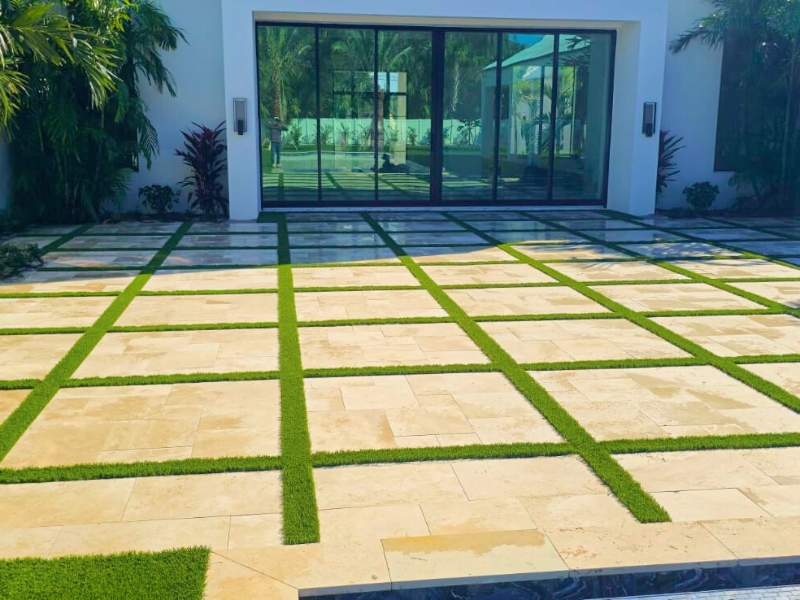
Creating patterns with pavers involves selecting a design layout, preparing the area, and arranging the pavers in your chosen pattern, such as herringbone or basketweave, ensuring stability and alignment for an aesthetically pleasing result.
Can I lay pavers over existing concrete?
Laying pavers over existing concrete is a feasible option. Ensure the concrete surface is clean and in good condition, then you can install pavers directly on top for an updated look and improved aesthetics.